Welcome to the kickoff of a brand-new blog series, where we’ explore the vibrant world of Magic’s original artists. At the Uthden Troll Cup in 2023, amidst the thrum of excitement and the shuffling of cards, I had the extraordinary privilege of meeting none other than Jeff A. Menges himself, known for his iconic artwork that has graced many of my favorite Magic cards over the years.
As he graciously signed some of my cards, we shared a brief but meaningful exchange about art, creativity, and the enduring legacy of Magic. I also had the opportunity to purchase his book, “The Gathering: Reuniting Pioneering Artists of Magic”. Inspired by the stories and insights within Menges’s book, this series aims to delve deeper into the lives and works of the pioneering artists who have shaped the very fabric of Magic: The Gathering.
Menges and his iconic art have left an lasting mark on the world of Magic. For the first installment of our blog series, we’ll dive into Menges’s artistic journey and the mesmerizing creations that have enchanted players for decades. From his distinctive style to the stories behind his most beloved works, we’ll explore the magic behind Menges’s artistry and celebrate his enduring legacy within the Magic community.
The Beginning
Menges met with Jesper Myrfors, the original art director of Magic the Gathering, in the summer of 1992. Back then Wizards of the Coast was a tiny new company, primarily active in the role-playing business. Menges did some illustrational work for them. When Magic came along, Wizards needed over 300 peieces of original artwork. The first people they asked about doing card artwork were many of the artists they were already working with on their role-playing products. Before digital printing and internet fund drives, the artwork for Magic was a massive undertaking and an, at that point, untried path. While the idea doesn’t sound far-fetched to a player today – back in 1992, it was almost ludicrous. Menges opted-in for 15 cards, just enough for a few months rent (in the end, it turned out a bit better than that).
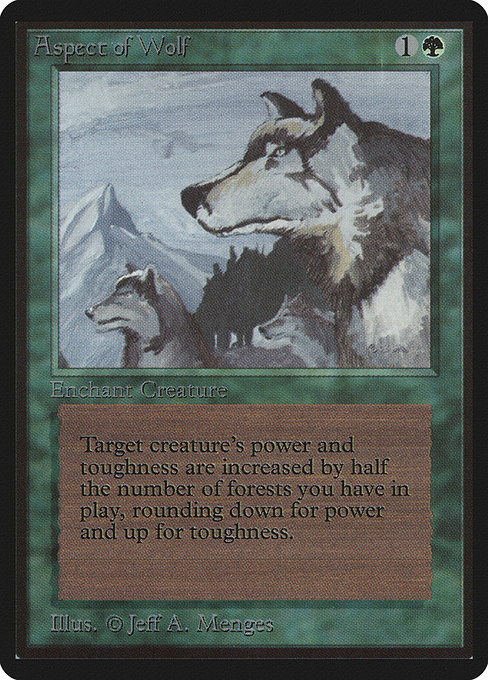
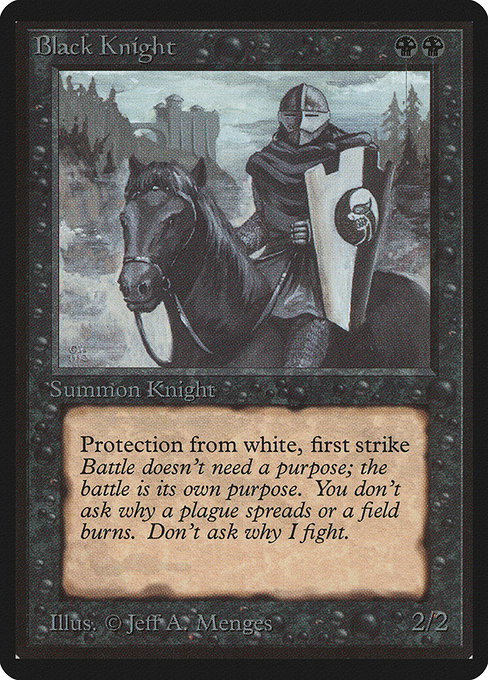

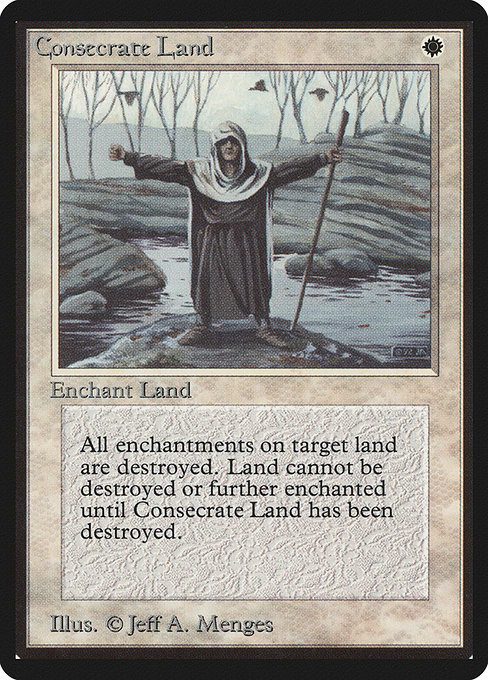
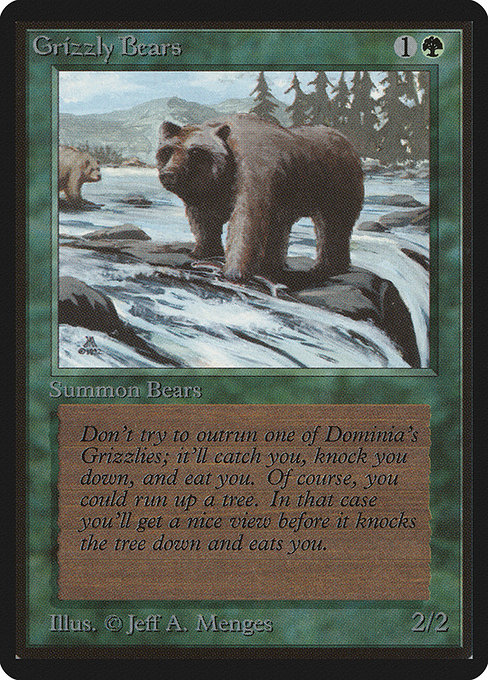
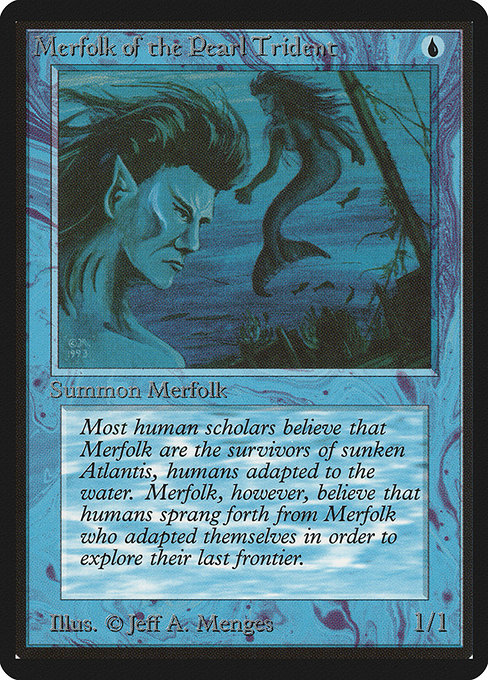


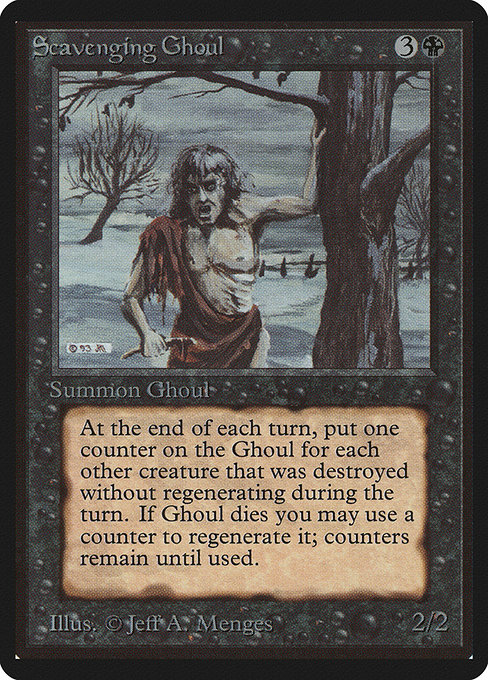

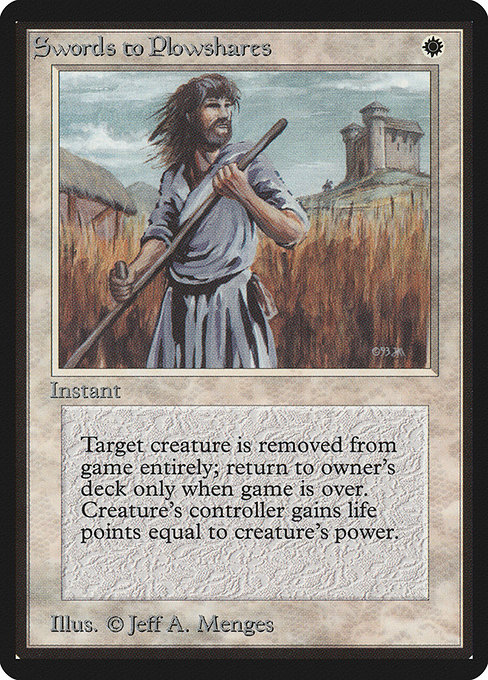
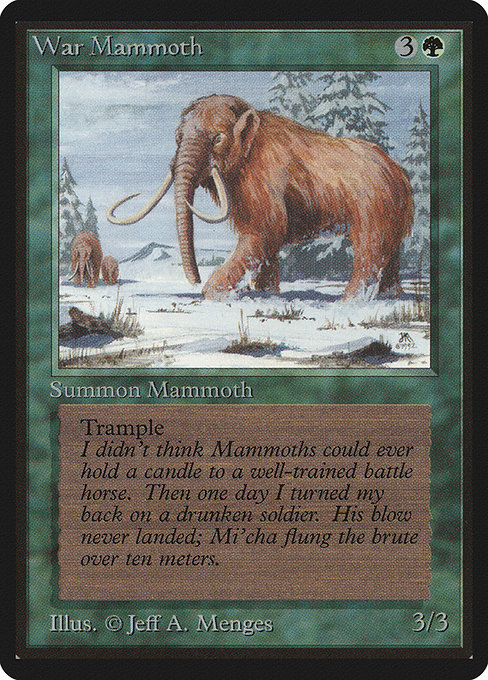

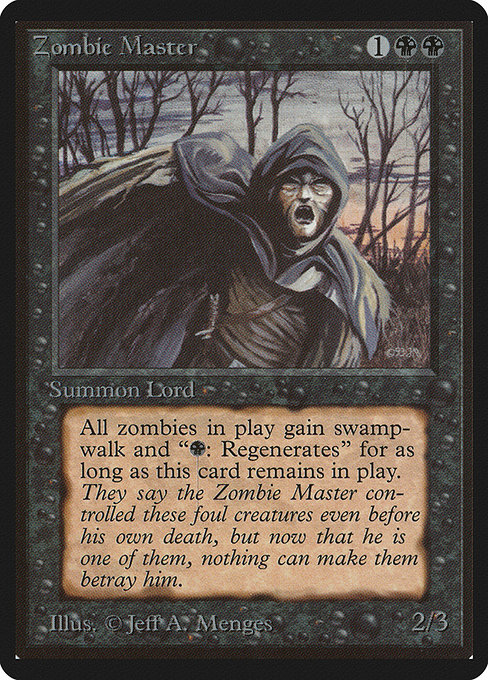
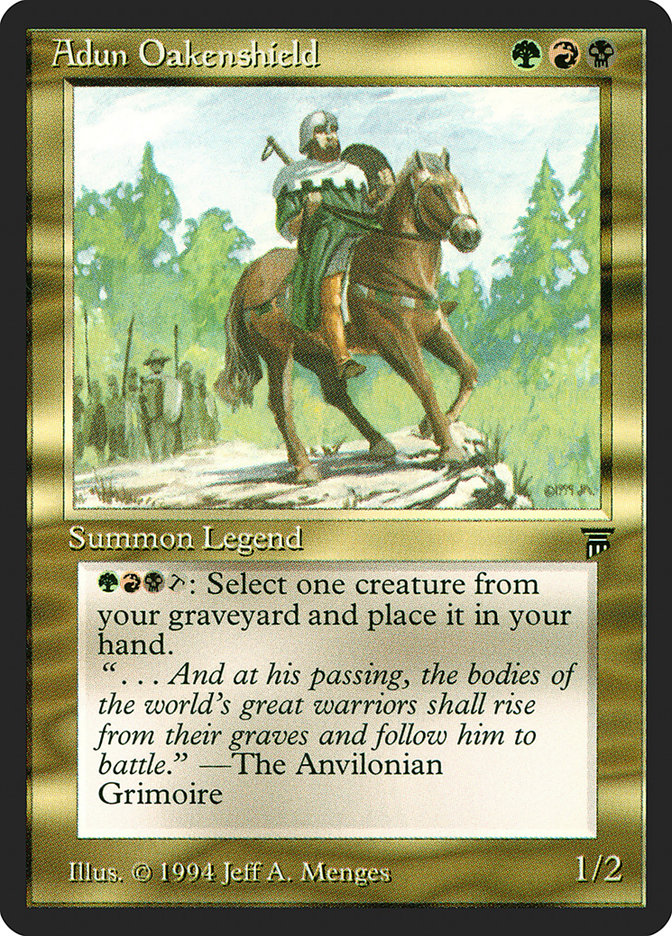
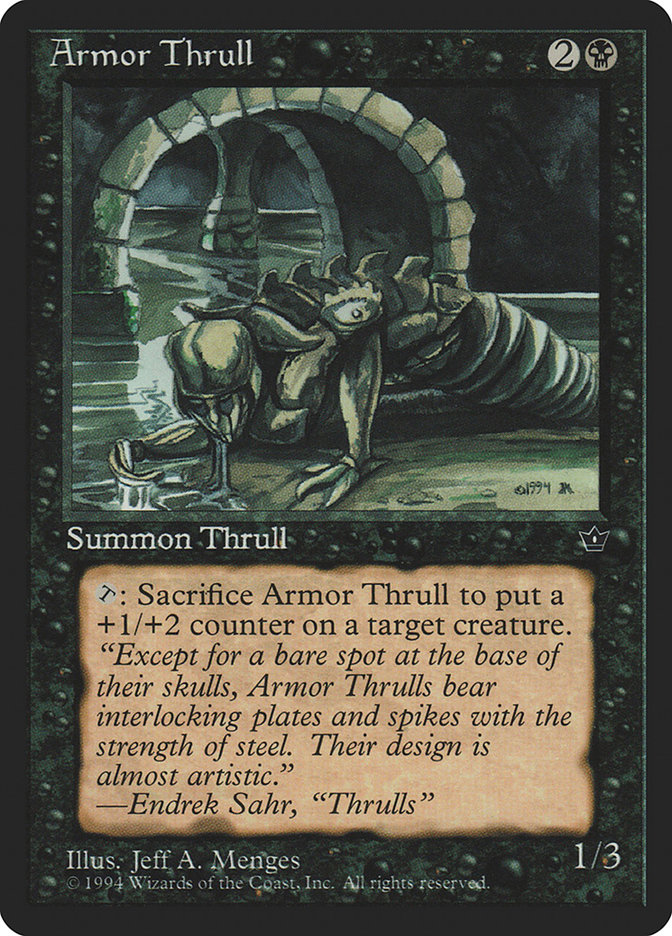
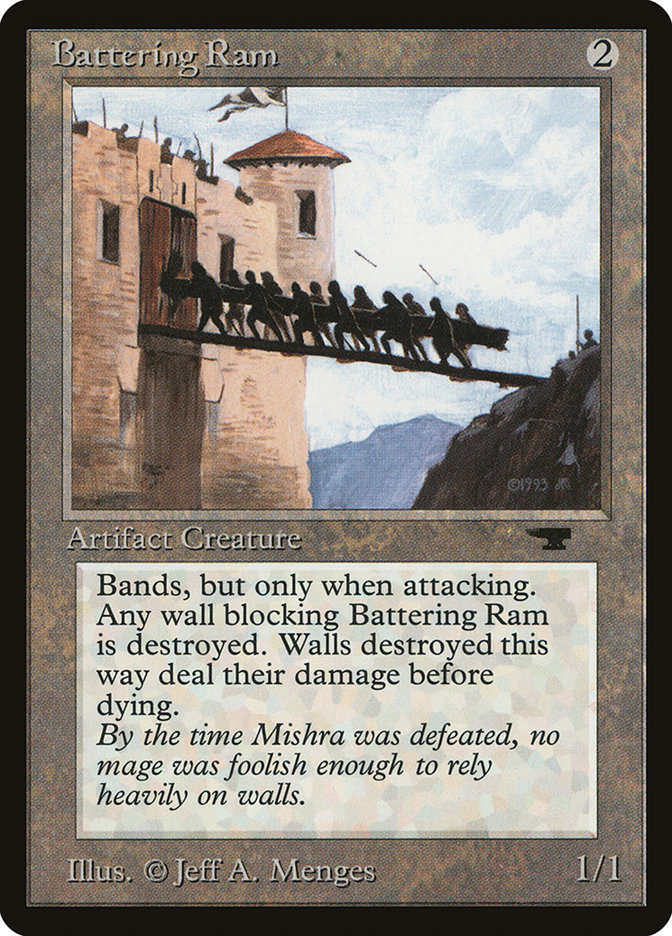
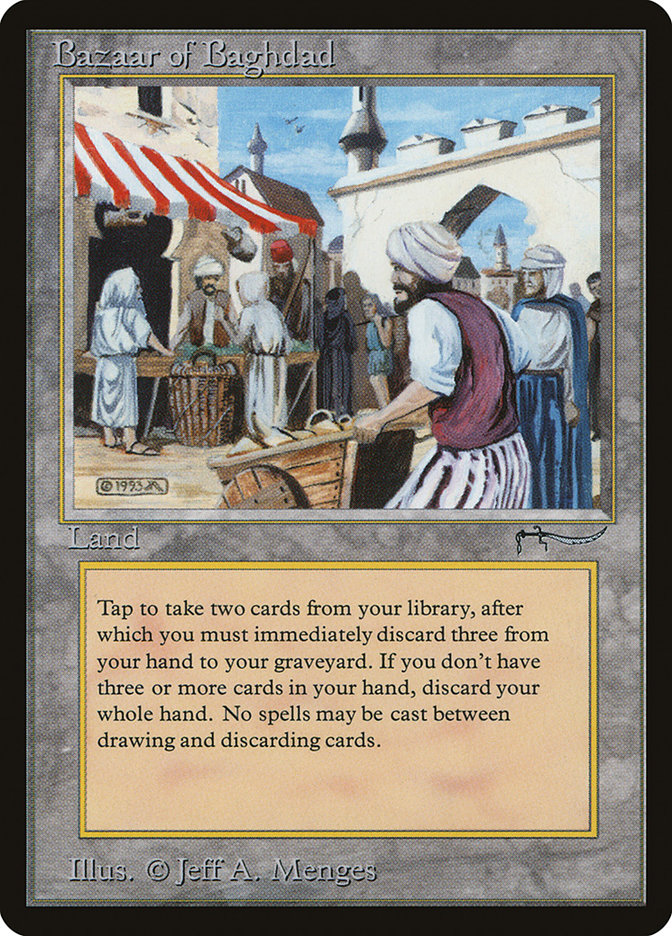
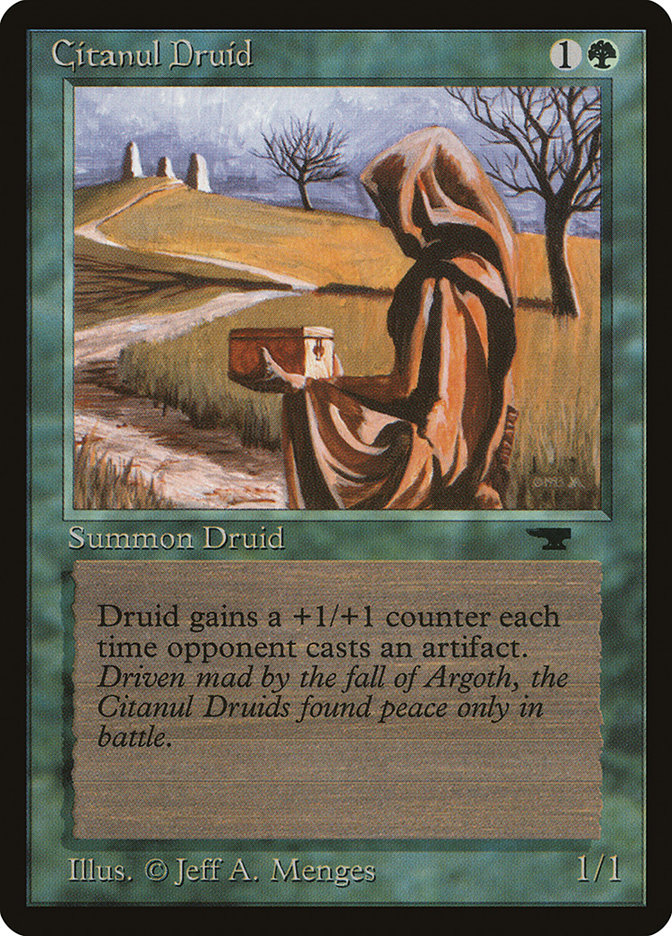
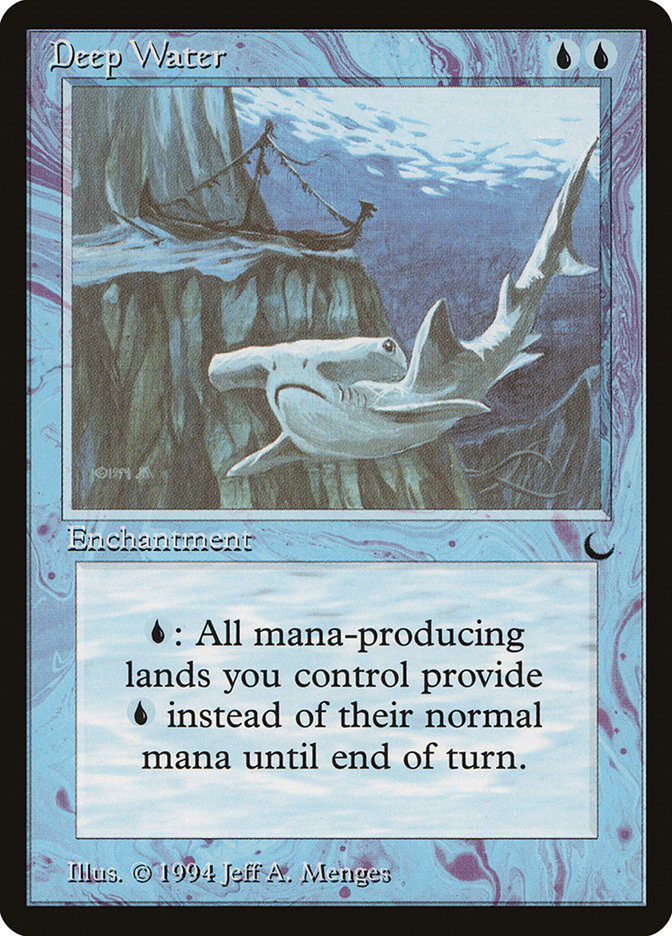


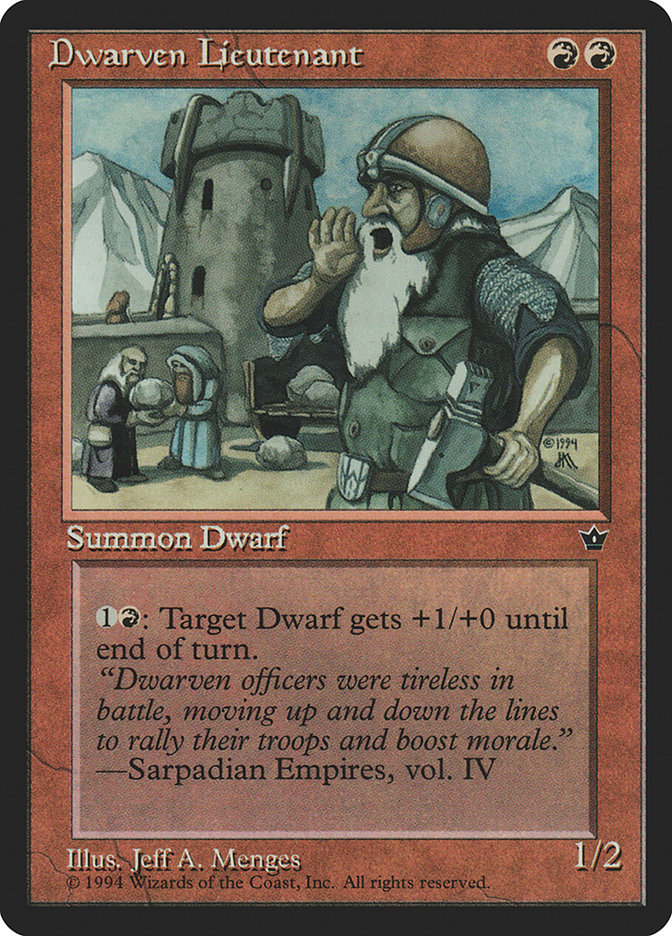
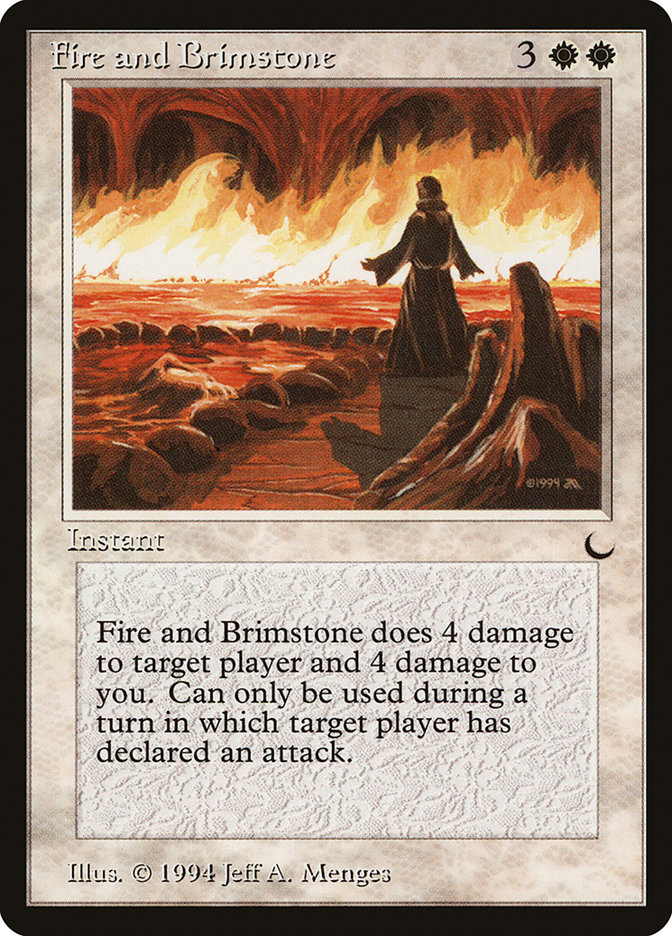

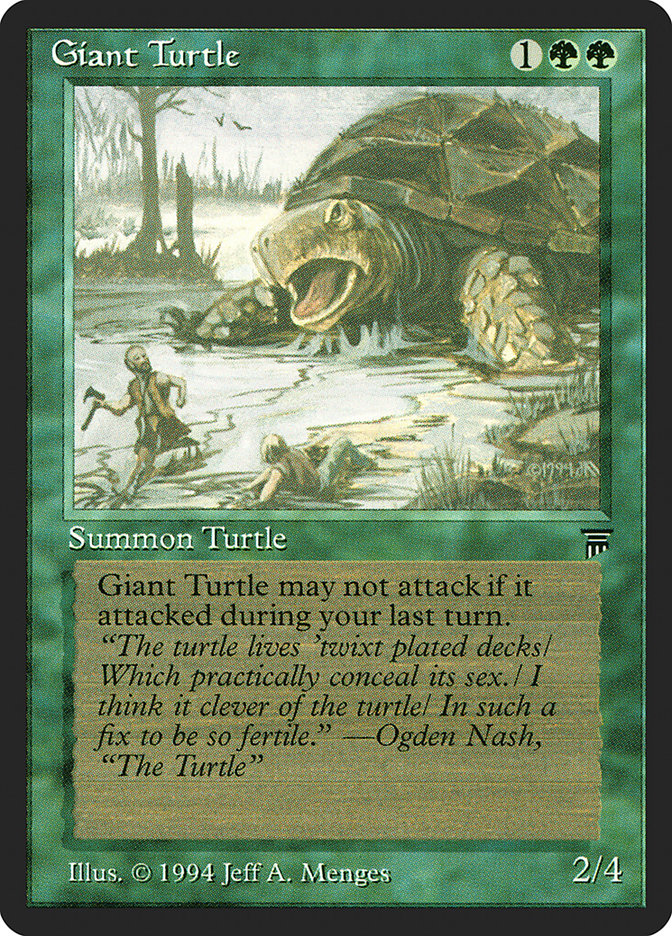
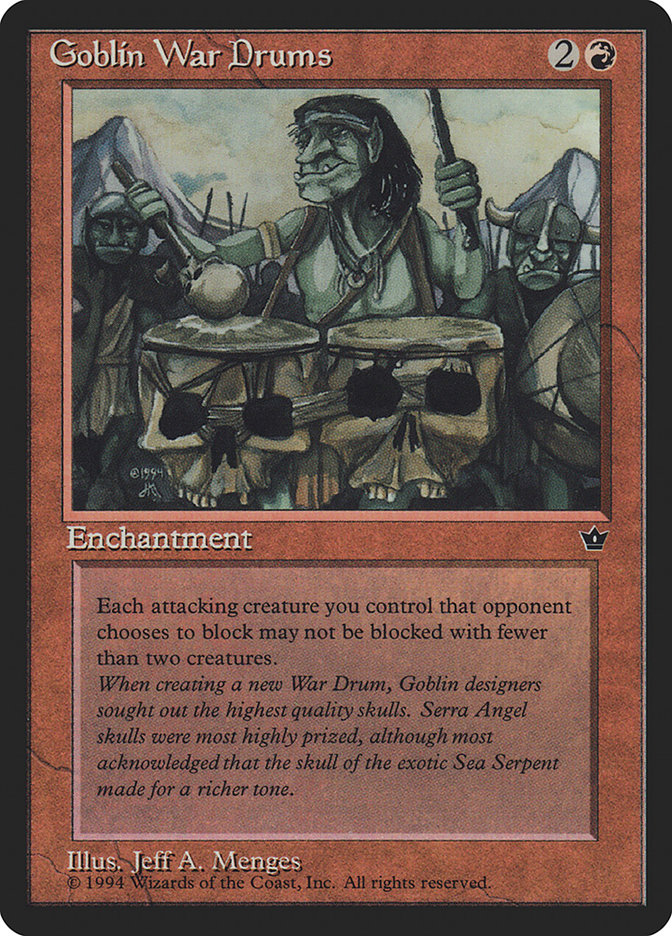
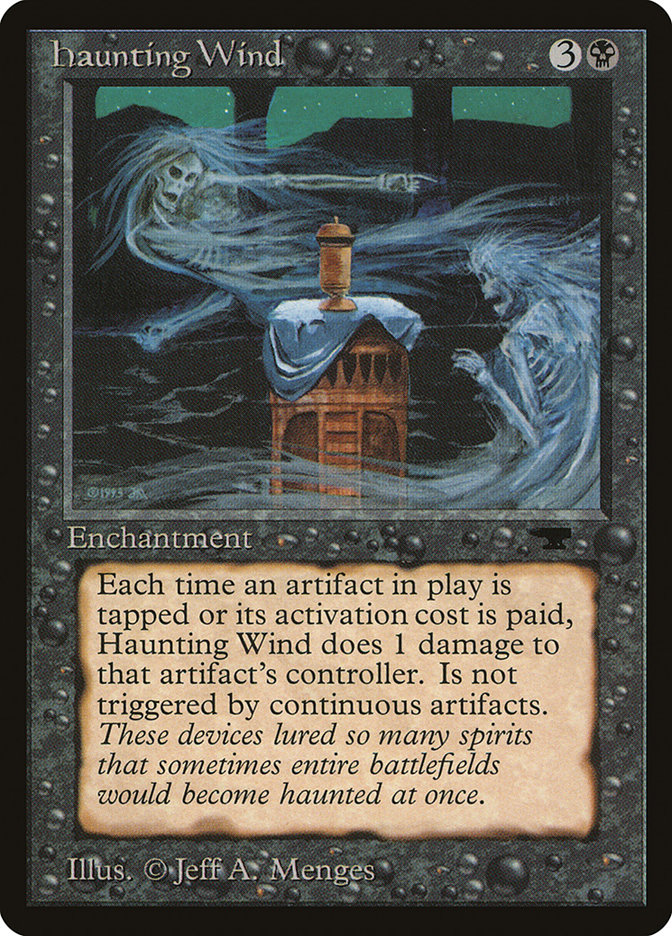

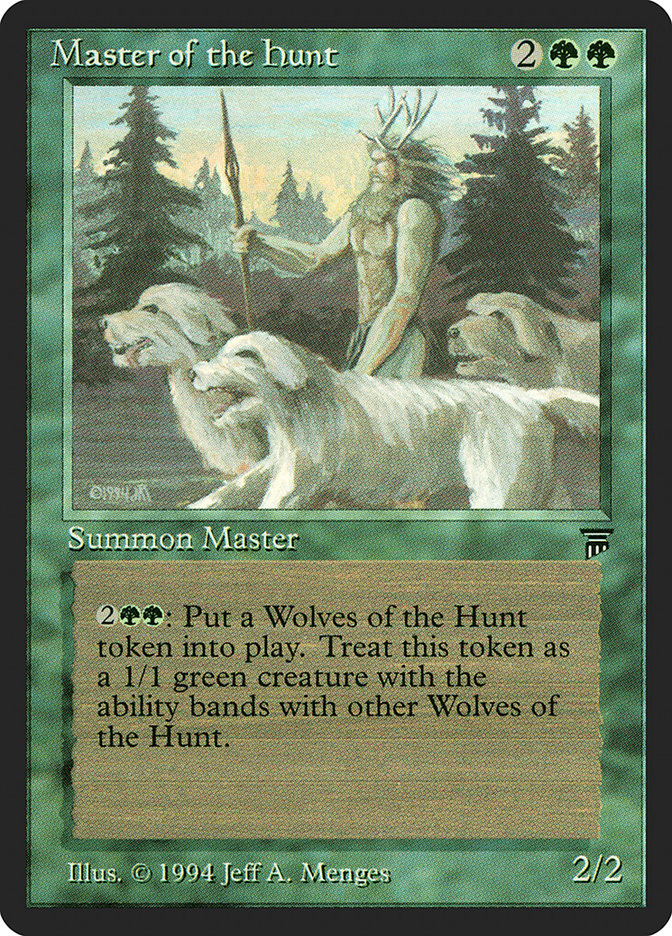
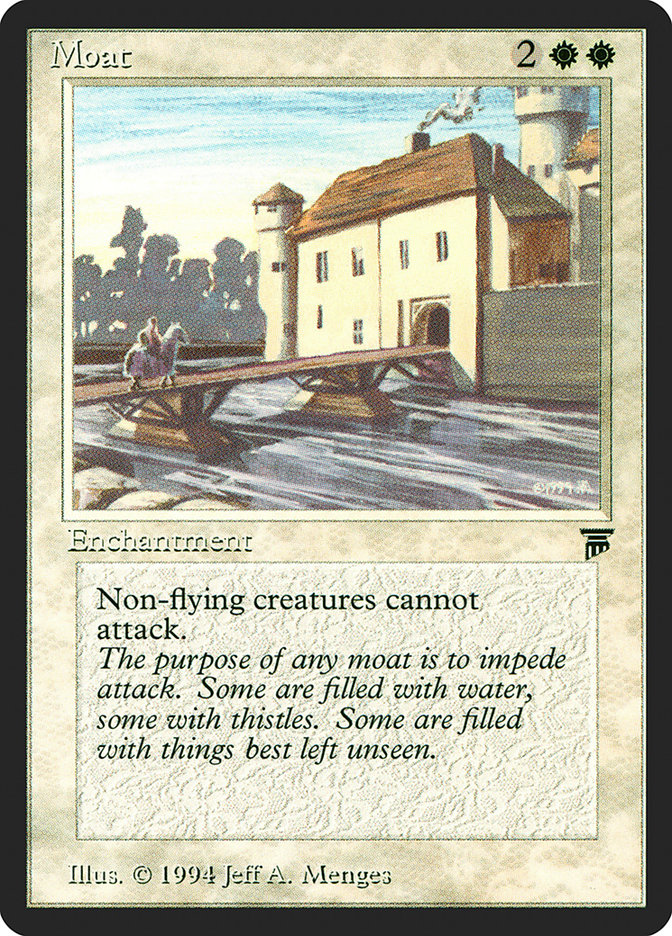
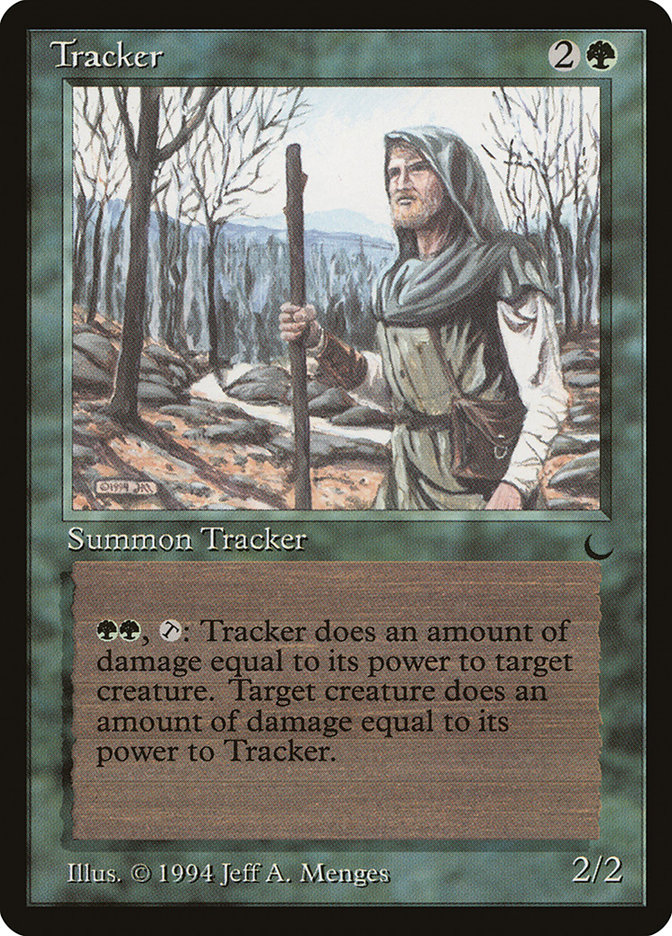

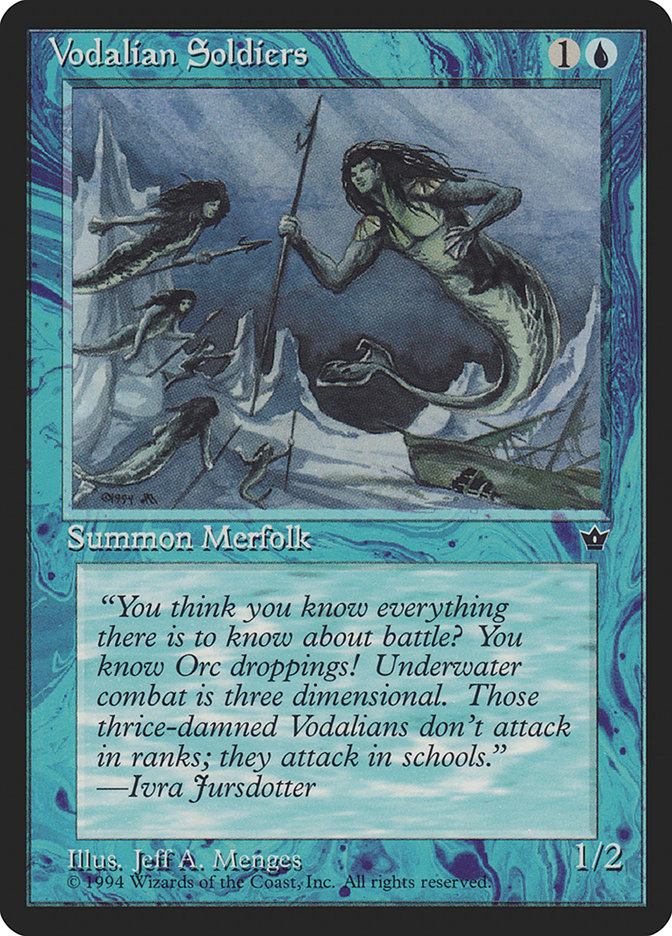
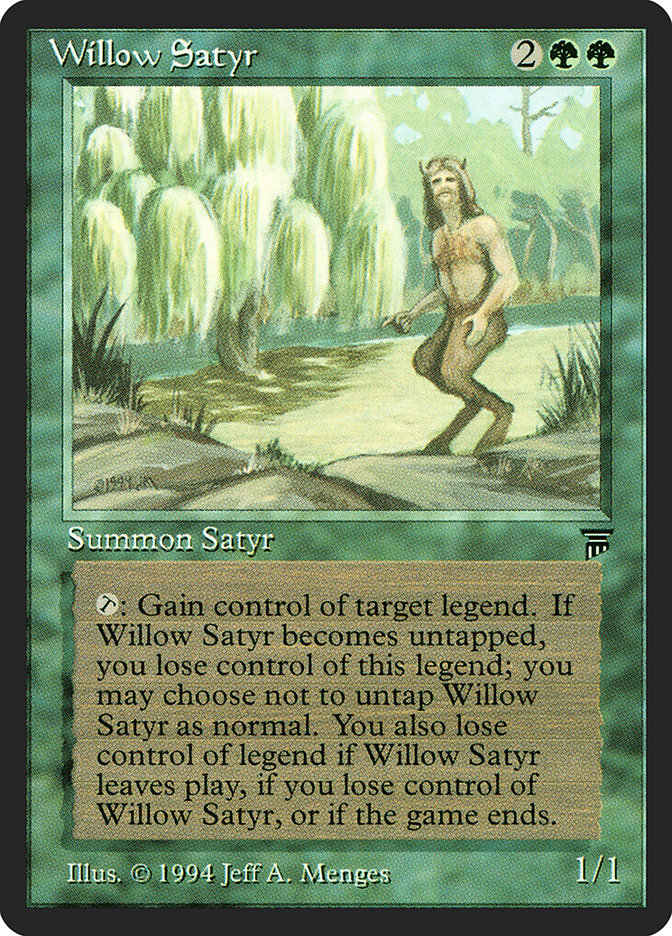
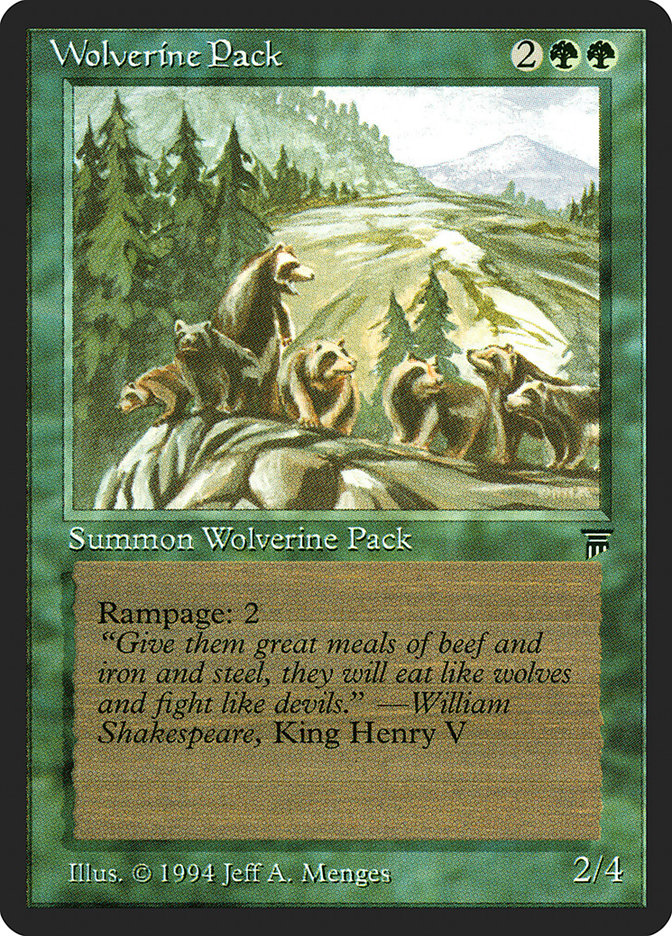
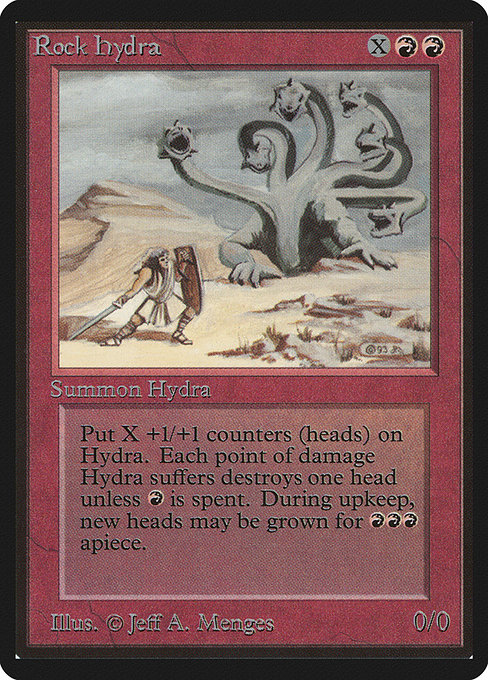
The art direction from Myrfors was very loose, cards needed to be recognizable, simple, yet iconic at the size of a match-book and seen at arm’s length. It changed the way Menges worked. Drawing became making marks that communicate a visual idea, instead of elaborate detailed images.
It’s a hit!
When Magic came out, it was a smash hit, way bigger than Menges could have hoped – it changed lives. Succes back then meant nearly every other company that wanted to do a card game (and there were alot of them!) was interested in working with Menges. He had an amazing run as an artist, although being labeled as a “card artist” was something to be dealth with later on in his career.
The Edge-Man Artwork Hall of Fame
Within the realm of Magic there exists a collection of artworks that holds a special place in the hearts of players and artist’s alike. Throughout this series, we’ll establish “The Edge-Man Artwork Hall of Fame” to pay tribute to the contributions of each original artist. It’s crucial to recognize the context of their early endeavors, particularly during the creation of the inaugural set. At that time, the game’s potential remained uncertain, prompting a cautious approach characterized by careful resource management. Despite the constraints, certain pieces evoke a sense of nostalgia, akin to revisiting old friends, art that is worthy of induction into The Hall of Fame.
Induction into the hall of fame requires artists to have their artwork printed on Magic cards by the end of 1994. The Edge-Man will carefully select one card from each artist’s body of work as his personal favorite, while the artist will likewise choose their own favorite. Consequently, every artist will have two cards inducted into the Hall of Fame, immortalizing their impact on the Magic community.
Menges favorite artwork
Menges has a particular fondness for illustrating winterscapes. His favorite projects include Ice Age and Alliances. During that period, he had recently relocated to Vermont, anticipating ample inspiration from the wintry scenes outside his window. Incorporating snow into the original set was a natural choice for Menges, given his northern residence where snow is a prevalent feature of the landscape for a significant portion of the year. Recognizing that seasons vary, Menges acknowledges that his artistic style leans towards impressionism.

He embraces the idea of revealing the painting process within his work rather than concealing it, utilizing this approach to craft narratives that resonate more deeply with viewers.
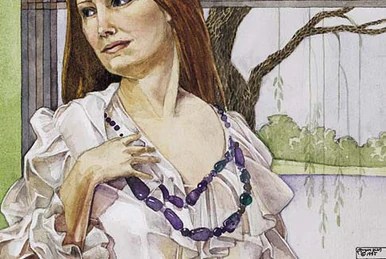
All artist take immense pride in being part of the pioneering group that catalyzed such a monumental phenomenon. Among the myriad cards, one holds a particularly strong connection for Menges: Citanul Druid from Antiquities is his personal favorite artwork.
The Edge-Man’s favorite Menges artwork
As explained in a previous blog post the artwork of Bog Wraith captivated me when I opened my very first Magic the Gathering starter pack back in 1995. I was completely mesmerized by it. Three decades later, the decision isn’t as clear-cut anymore.
Menges boasts a plethora of iconic cards to choose from: Swords to Plowshares, Black Knight, Bazaar of Baghdad, and more, all of which have cemented their status as Old School staples. Ultimately, I believe Moat stands out as my favorite Menges artwork. It features the castle that often serves as a backdrop in Menges’s pieces, adorned with his distinctive texture and color palette. There’s just something about it that resonates with me.
The inaugural inductees into The Edge-Man Artwork Hall of Fame are Citanul Druid from Antiquities and Moat from Legends. Do you concur with these selections, and which artist would you prefer to see highlighted in the next installment of the “Gathering of Artists” blog?

 The Edge-Man
Leave a comment