Old School Magic is a celebration of nostalgia and the unique gameplay of Magic: The Gathering’s early years. At the heart of this format lies a delicate balance between preserving the authenticity of the original experience and adapting to the evolving needs and preferences of its player base. Reprint policies play a crucial role in navigating this balance, ensuring that Old School Magic remains true to its roots while remaining fairly accessible yet highly enjoyable for both veteran players and newcomers alike.

Reprint policies are essential for preserving the authenticity of Old School Magic by maintaining the integrity of the card pool. Unlike other formats where new sets and expansions continually introduce fresh cards and mechanics, Old School Magic emphasizes a limited selection of cards from the game’s early years. These cards evoke a sense of nostalgia and history, serving as artifacts of a bygone era in the game’s evolution.
Strict reprint policies, like Swedish Rules, help safeguard this authenticity. By adhering to established guidelines for card legality and set restrictions, Old School Magic ensures that players experience the game much as it was played during its formative years. This commitment to authenticity fosters a deep appreciation for the game’s rich history and encourages players to connect with Magic’s roots on a visceral level.
Smaken är som baken, delad
Swedish Old School Magic stands as the original version of the format, tracing its roots back to the game’s inaugural year, and was invented in…you guessed it; Sweden!
The following sets are legal in Swedish Legal:

Given this historical backdrop, one might wonder why sets like Fallen Empires or Revised, both printed in 1994, aren’t included in the Swedish Old School format. Why is that? While I don’t know the offical reason I thinkg it has a lot to do with “design coherency”. Swedish Old School Magic’s aesthetic owes much to its steadfast commitment to a specific visual style.
The introduction of Fallen Empires marked a departure from the established aesthetic of early Magic sets. This shift in visual design disrupts the nostalgic atmosphere created by the vintage cards that are emblematic of Swedish Old School Magic. The same can be said about Revised, where the wording on cards began to change, as did the text formatting.
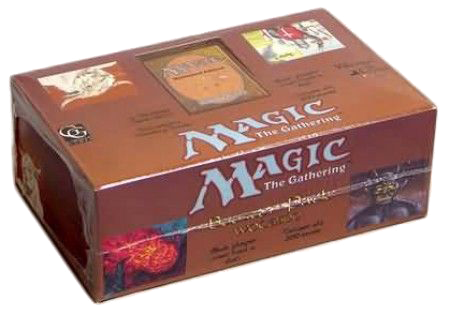
Despite the white-bordered appearance of the Unlimited set, the presence of power within it remains instrumental in its continued inclusion within the format. Furthermore, the scarcity of Alpha and Beta sets due to their limited print runs poses a significant challenge to maintaining the format’s integrity without their presence.
Reprints are allowed, most of the time
The Old School format has grown significantly in recent years and various communities have embraced a less strict approache to Old School Magic. While the core principles of nostalgia and authenticity remain constant, the reprint policies vary. More and more tournaments follow a more loose reprint policy, adding extra reprint sets beyond the standard legal sets. Tournaments like the Uthden Troll Cup and The Edge-man Championship for example follow the reprint policy of “same art, same border”, where even foreign cards and Collector’s Edition/International Edition cards are legal. This approach allows for a broader range of players to enjoy the format while still maintaining the essence of the Old School experience.
To go Swedish, or not to go Swedish?
With more and more tournaments becoming less strict, why upgrade to Swedish Legal? The decision to upgrade to full Swedish legal cards instead of using reprints is often influenced by a combination of factors including personal preferences.
For many old school players, the appeal lies in using the original cards of the game’s inaugural year. Owning and playing with the original cards can evoke a sense of nostalgia and authenticity that reprints may not provide at the same level. There is also the collectibility and rarity of the cards themselves. Swedish Legal cards are often considered highly collectible and can hold significant value as a collectible. Some players simply prioritize owning these original cards as part of their collection due to their rarity and historical significance. Others simply prefer the aesthetic of the original printing of cards, including the artwork, card layout, and overall design. Reprints may have differences in print quality or design elements that detract from the nostalgic appeal for these players.
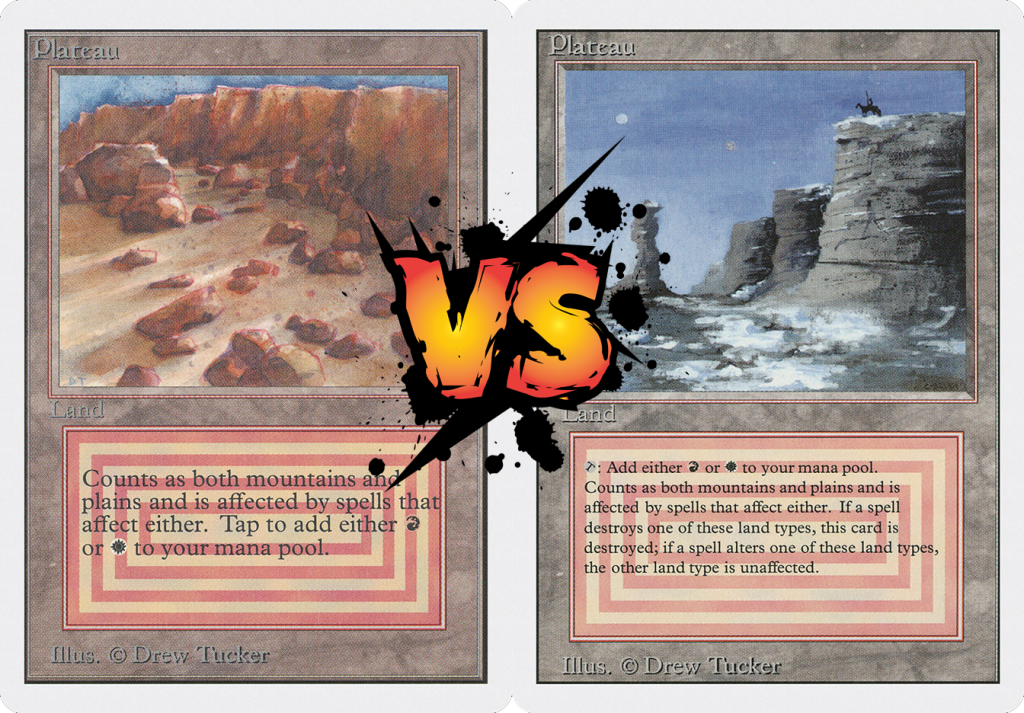
While more and more tournaments are becomming less strict, some old school Magic communities or tournaments still enforce strict rules regarding card legality. Upgrading to full Swedish legal cards ensures compliance with the rules of almost every tournament. Lastly, there’s the potential for investment, as these cards can appreciate in value over time, even more so then the reprints. Ultimately the decision to upgrade to Swedish legal cards is up to you.
Going Dutch
Recently, I myself, made the decision to upgrade my Machine Head deck to full Swedish legal, a transition I postponed for as long as possible. Initially, I believed my deck was “finished” after collecting all the necessary cards, with dual-lands from the Revised set. However, a fellow player enlightened me, explaining that a Magic deck is never truly finished, as there are always opportunities to enhance it. At first I thought he ment that I would keep fine-tuning the deck but than I relized he also ment upgrading the printings of cards. As I transitioned from Revised to Swedish legal cards, I couldn’t help but marvel at the depth of this on-going pyramid scheme. While I may currently perceive my deck as “finished” once again, I’m aware that the pursuit of perfection is ongoing; with Dutch Legal (the future of Old School?) on the horizon, the journey continues!





 The Edge-Man
Leave a comment