“Hospitality is sacred in Ulgrotha. Especially when you’re on the menu.”
An opening hand for the future
The first edition of Battleworld made its debut at the Edge-man Championship 2026, and by the time the last spells were cast and the final boards dismantled, one thing was clear: Battleworld is the real deal—and it’s an absolute blast! And I hope it’s here to stay.
With that in mind, I’ll be shining a spotlight on Battleworld from time to time—through event reports, observations from the table, and, most importantly, deck features. This post marks the first of what I hope will become a small ongoing series: a look at individual Battleworld decklists, why they exist, how they play, and how they express the format’s unique philosophy.
It felt only appropriate to begin with an old aristocrat who has been waiting patiently for the world to slow down enough to appreciate him again.
Welcome to the Dark Barony.
There are cards that win games, and then there are cards that demand a setting. Baron Sengir has always belonged to the latter camp. He doesn’t rush, doesn’t dazzle with efficiency, and certainly doesn’t apologize. He waits—patient, aristocratic—until the battlefield is properly prepared for dinner.
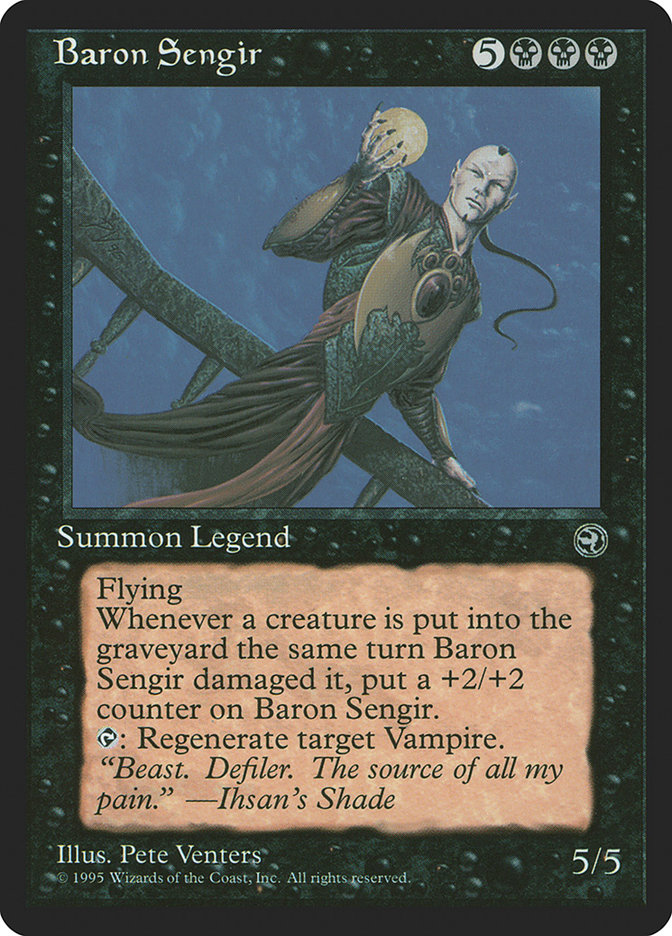
Battleworld, with its slower pacing, evolving board states, and emphasis on atmosphere over optimization, is the perfect stage for the Baron’s return. This deck, Dark Barony, is a vampire-themed domain built not around speed or inevitability, but around control, sacrifice, and narrative cruelty—the kind of Magic that could have leapt straight off the pages of InQuest or The Duelist during the mid 90’s.
The Battleworld Mindset
Battleworld isn’t about showing up with the sharpest knife—it’s about bringing the most interesting one. With limited resources, and multiplayer tension baked into the format, decks need to do more than goldfish. They need to participate.
Dark Barony participates by:
- Letting opponents build boards… then feeding on them
- Turning “bad” creatures into valuable resources
- Making combat feel dangerous, political, and occasionally fatal
- This is not a deck that wins quickly. It wins inevitably, one drained creature at a time.
Welcome to the Dark Barony

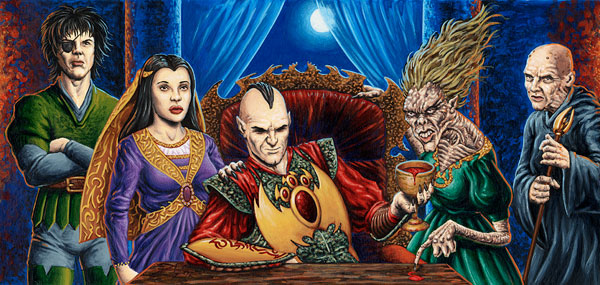
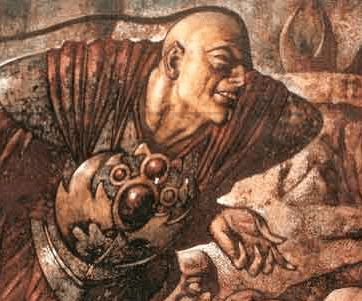
At the center of the domain sits Baron Sengir himself: an old-school vampire lord who rewards patience and punishment. Every creature that dies under his watch strengthens his grip, turning attrition into advantage and combat into a blood tax.
But the Baron is nothing without his court. This is a vampire ecosystem, not a pile of individual threats. Every creature—no matter how small—has a role to play at the table.
Rats!
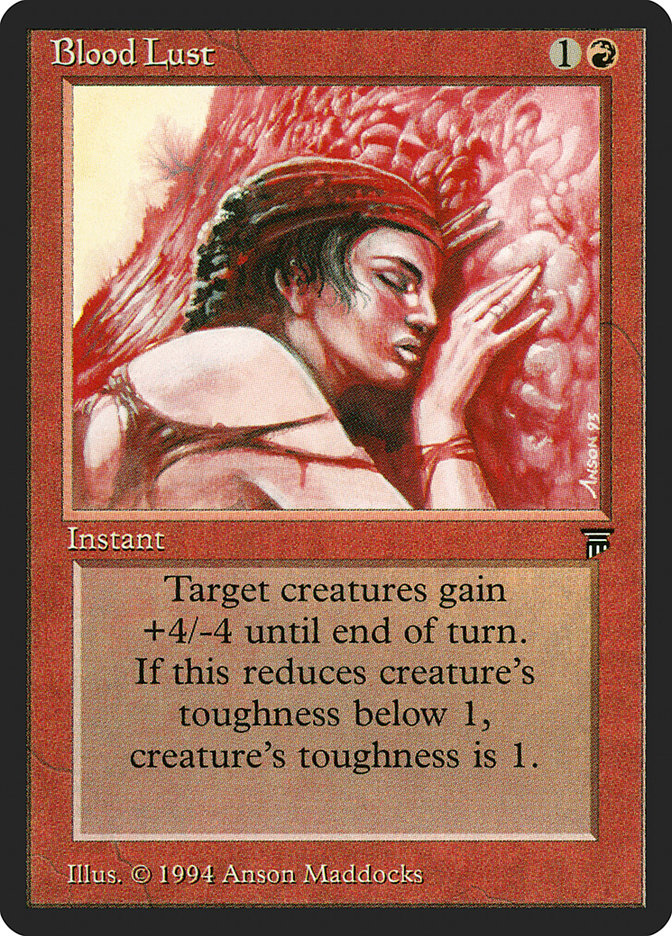
Bog Rats look laughable at first glance. They nibble. They chump. They die. Perfect!
In Dark Barony, Bog Rats are:
- Early blockers that discourage chip damage
- Dangerous when fueld with Blood Lust
- Sacrificial offerings to fuel vampire growth
- Currency in a larger economy of death
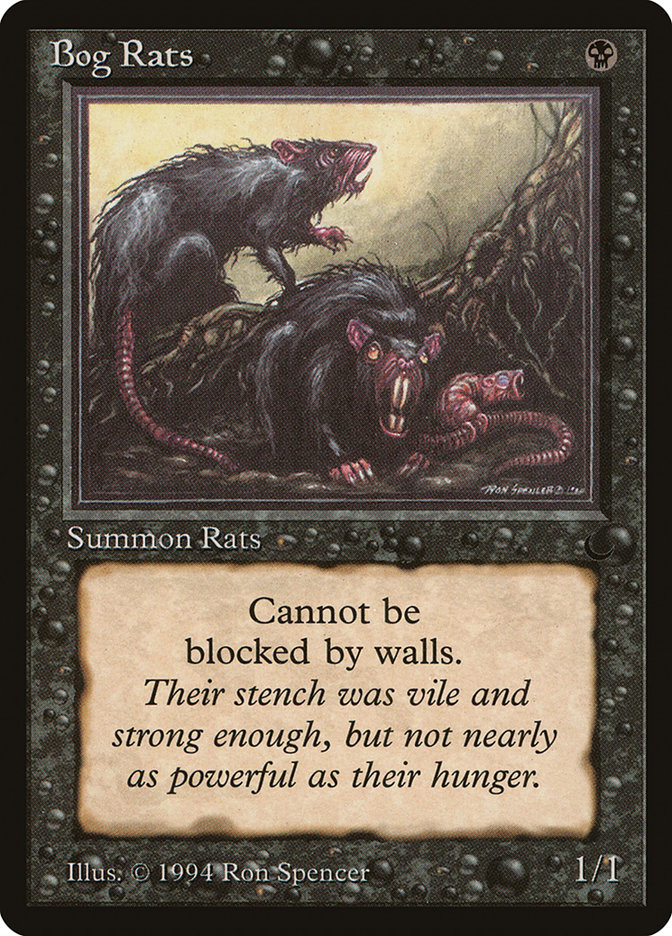
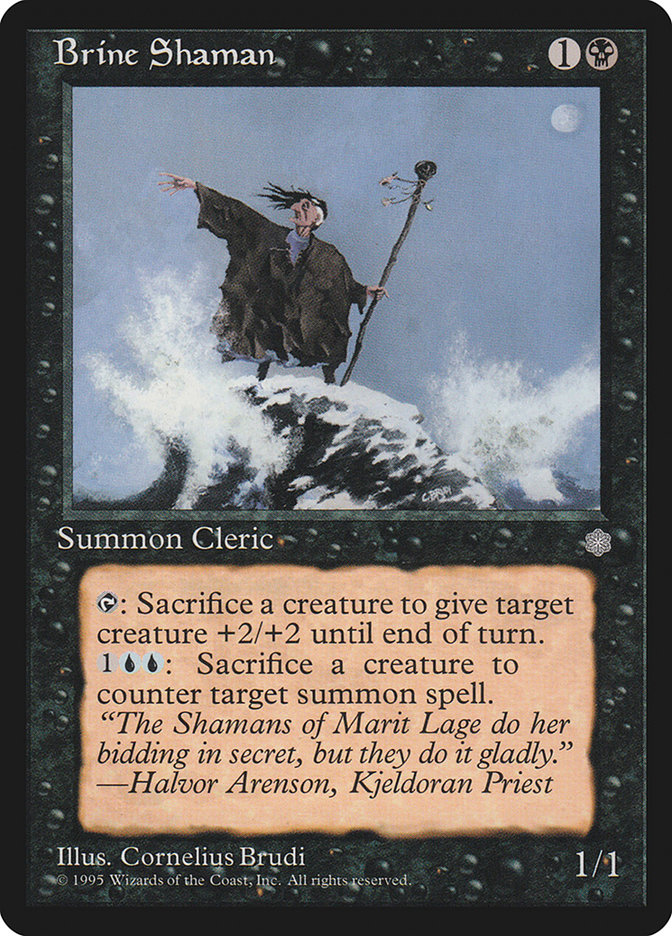
With the Brine Shaman in play, those rats don’t just die—they become power, pumping your vampires at instant speed and turning meaningless bodies into meaningful pressure.
And sometimes, death isn’t even the end.
Through the dark rituals of Soul Exchange , a fallen vampire can be “revived” by offering it up again—its essence reclaimed, the rat transformed, the cycle continuing. In this deck, sacrifice is not loss. It’s refinement.
Theft, Shrinkage, and Fine Dining
Combat is where Dark Barony stops being “that weird Sengir deck” and becomes a crime scene.
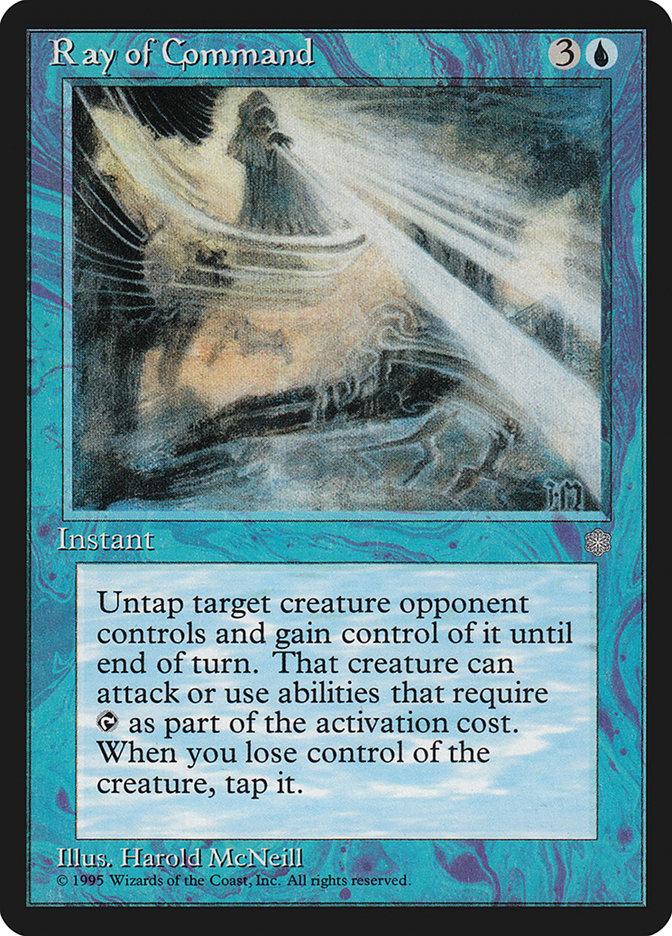
- Ray of Command is the Barony’s diplomatic outreach program: borrow their best creature, swing it somewhere impolite, and if the opportunity presents itself—ensure it never makes it home. In Battleworld, where every creature feels hard-earned, this is less a tempo play and more a public execution.
- Sorceress Queen is the kitchen staff. No matter how enormous the entrée, she has a way of turning it into something appropriately bite-sized. A towering behemoth becomes a 0/2, and suddenly your vampires aren’t “outmatched”—they’re served.
- Blood Lust—the Barony’s favorite party trick. On paper, it’s just a stat boost. In practice, it’s the moment the chandelier crashes and everyone realizes they should’ve left hours ago. Blood Lust makes even the lowliest creature matter: your Bog Rats go from “disposable garnish” to surprise blood fueled assassins, and in the other direction! It can really ruin your opponent’s combat math (and their mood) for the rest of the turn.
In the Dark Barony, anything can be lethal, and nothing is ever truly “just a rat.”
How it plays
A typical game unfolds like a slow gothic novel:
Early Game
You establish blockers, look harmless, and let others posture. Rats appear. Vampires lurk.
Midgame
The engine comes online. Sacrifice outlets, theft effects, and stat manipulation turn combat into a nightmare puzzle for your opponents.
Late Game
The Baron presides over a battlefield littered with the remains of “better” creatures. Your vampires are large, your opponents are cautious, and every attack feels like a mistake.
This deck doesn’t demand attention early—but it commands it later.
Strenghts and weaknesses
Strengths
- Exceptional creature control
- Scales naturally with longer games
- Thrives in multiplayer tension
- Turns opponent resources into your own
Weaknesses
- Vulnerable to enchantment-heavy strategies
- Relies on board presence more than spells
- Can struggle if rushed down early
Like any good villain, Dark Barony is strongest when given time—and clever opponents will try not to grant it.
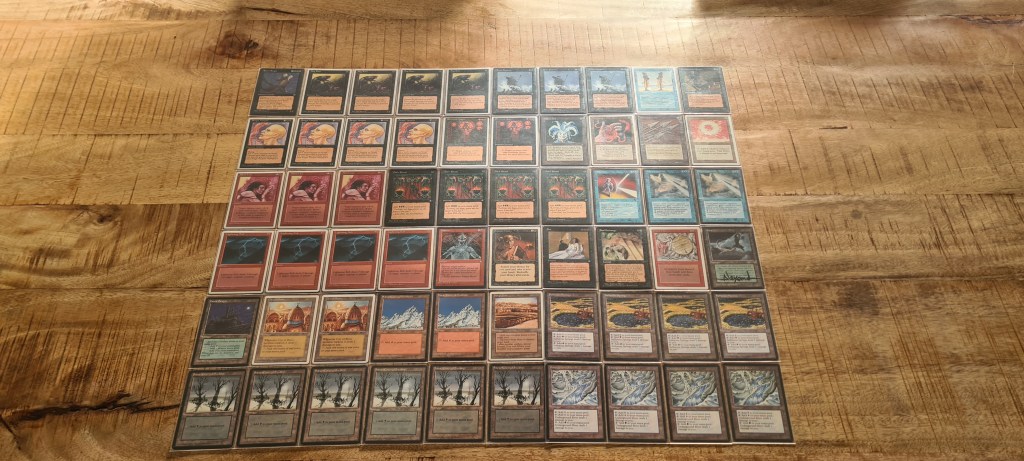
The list
Lands (21)
1x Arena
1x Castle Sengir
2x City of Brass
2x Mountain
1x Strip Mine
4x Sulfurous Springs
6x Swamp
4x Underground River
Artifacts (4)
1x Jester’s Cap
1x Nevinyrral’s Disk
1x Serrated Arrows
1x Sol Ring
Creatures (16)
1x Baron Sengir
4x Bog Rats
3x Brine Shaman
1x Clone
1x Grandmother Sengir
4x Sengir Vampire
2x Sorceress Queen
Sorceries (4)
1x Demonic Tutor
1x Pox
1x Soul Exchange
1x Wheel of Fortune
Instants (15)
3x Blood Lust
4x Dark Ritual
1x Deflection
4x Lightning Bolt
2x Ray of Command
1x Shatter
Why Baron Sengir Still Matters
There’s something deeply satisfying about making an old, overlooked legend work—not by modernizing it, but by giving it the right home.
Battleworld doesn’t ask, “Is this card efficient?”
It asks, “Is this card interesting?”
Baron Sengir is interesting because he tells a story. A story about feasts and famine, about servants and sacrifices, about power accumulated not through speed, but through inevitability.
Pull up a chair. The Baron insists…



 The Edge-Man
Leave a comment