“A beginning is a very delicate time.”
That line has lived in my head since I was a kid. In the early ’90s I was a huge fan of the original STAR WARS trilogy. Back then, being a Star Wars fan meant living with this weird, lingering emptiness. No Shadow of the Empire yet. No Special Editions. Not even whispers of the prequels on the horizon—just a desert of “maybe someday,” and a whole lot of imagination doing the heavy lifting.
So when I first played DUNE II: The Battle for Arrakis (1992) on my PC, it didn’t just scratch an itch—it filled the void Star Wars left. It was everything my brain wanted: a massive space opera, factions with real personality, politics you could feel, and a planet that was basically a character in its own right. Arrakis had that same mythic gravity as Tatooine, but turned up to eleven. It felt less like a “backwater” planet and more like the entire universe is chained to this place. And it pulled me in hard.
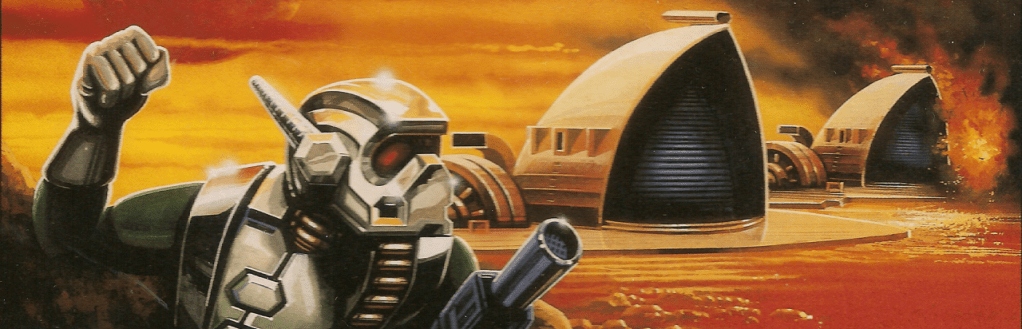
Once that hook was set, I went looking for more. After the game, I watched the 1984 movie—that lovely, weird David Lynch fever dream—with that guy from Twin Peaks as Paul Atreides, and the captain from Das Boot as his dad. And man… the TOTO soundtrack. Absolutely epic. After that, I started reading the books. And the deeper I went, the more Dune stopped being “a cool sci-fi thing” and became a full-on universe: harsh, political, mystical, and completely obsessed with resources, discipline, and survival.
Which is… honestly a pretty good description of Old School Magic. So yeah, of course I tried to build it as a deck.
MUAD’DIB!
Once I decided I wanted to turn Dune into an Old School deck, I needed one card to hang the whole idea on—something that didn’t just reference Arrakis like Desert, but actually played like it. And the moment I landed on Hazezon Tamar, everything clicked.
Hazezon just feels like Paul Atreides. He shows up as a legend and your opponent immediately has to react—because if Hazezon sticks, the story is already in motion. And then there’s that delayed trigger… which is basically the prophecy doing its thing. First the quiet arrival, the “who is this guy?” moment. Then, a turn later, you’re suddenly staring at a board full of Sand Warriors like the Fremen just poured out of the sietch.
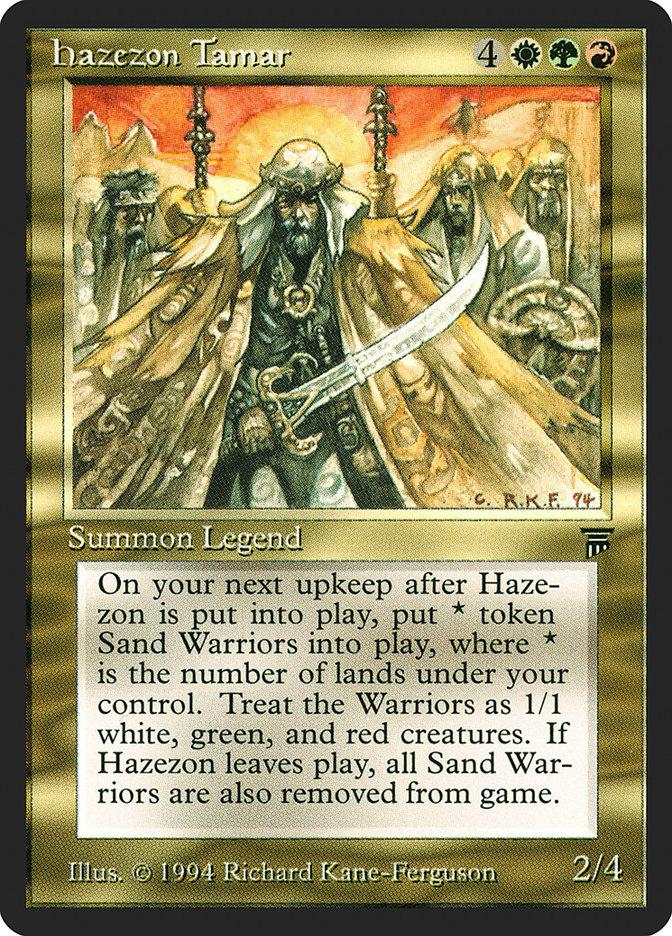
Hazezon is not a clean, instant payoff—there’s buildup, tension, that little window where your opponent thinks they can stop it… and that’s so Dune. You can almost hear the narration voice: “A beginning is a very delicate time,” and then—boom—destiny happens!
What I also love is that Hazezon doesn’t push you into some generic good-stuff shell. He kind of forces your hand in a fun way. If this is your centerpiece, you naturally slide into Naya: green to get your mana and survive long enough to matter, white to keep things under control and protect your plan, and red because… well, Dune isn’t polite. Sometimes you need a sudden burst of violence to make sure the prophecy gets to turn the corner. The second I decided Hazezon was Paul, the deck stopped being “a bunch of cards with desert vibes” and became an actual brew with a spine: land the legend, live through the awkward turn, and let the desert do what it does best—turn one man into a movement.
And yeah—maybe that’s a little dramatic for cardboard. But if you’ve ever untapped after casting Hazezon and watched your opponent’s mood change, you know exactly what I mean.
DESERT POWER
Once Hazezon is “Paul,” the next question basically answers itself: who are his people? I didn’t want this to turn into a generic Naya creature pile with a couple Desert lands taped for vibes. I wanted the deck to feel like a sietch—lean, disciplined, deadly, and way more coordinated than it looks at first glance. So I picked a little squad of creatures, a Fremen scouting party, that can escalate into a holy war.
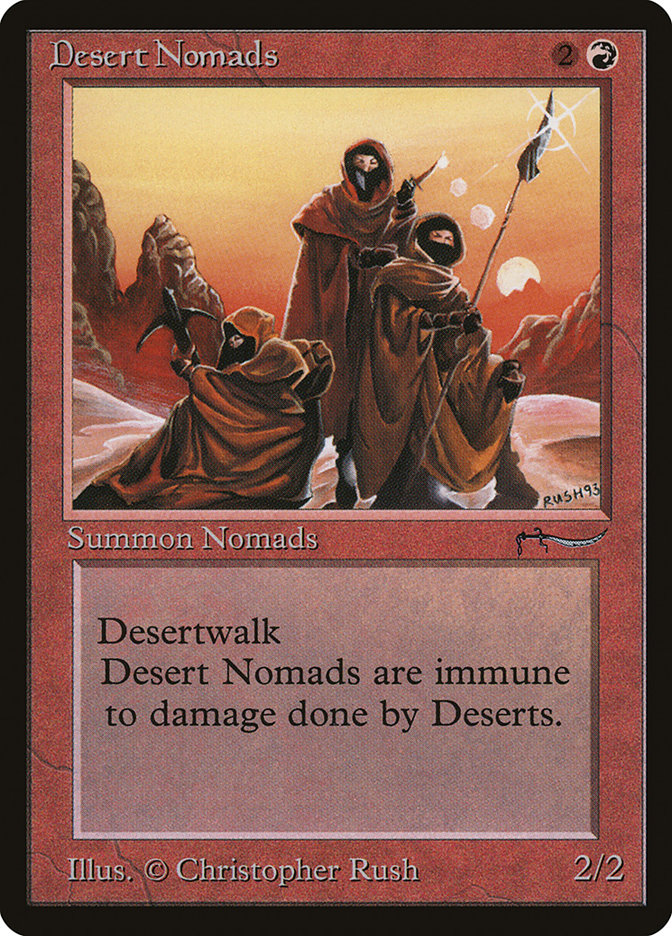
Desert Nomads
These guys are the cleanest “Fremen” translation Magic accidentally gave us. Desertwalk isn’t just a keyword here—it’s desert knowledge. They’re the ones who know where the sand will hold, where it won’t, and exactly how to move when everyone else is sinking. On Arrakis, terrain is a weapon. Nomads get that. And just look at that artwork! It doesn’t get more Fremen than the artwork of Desert Nomads
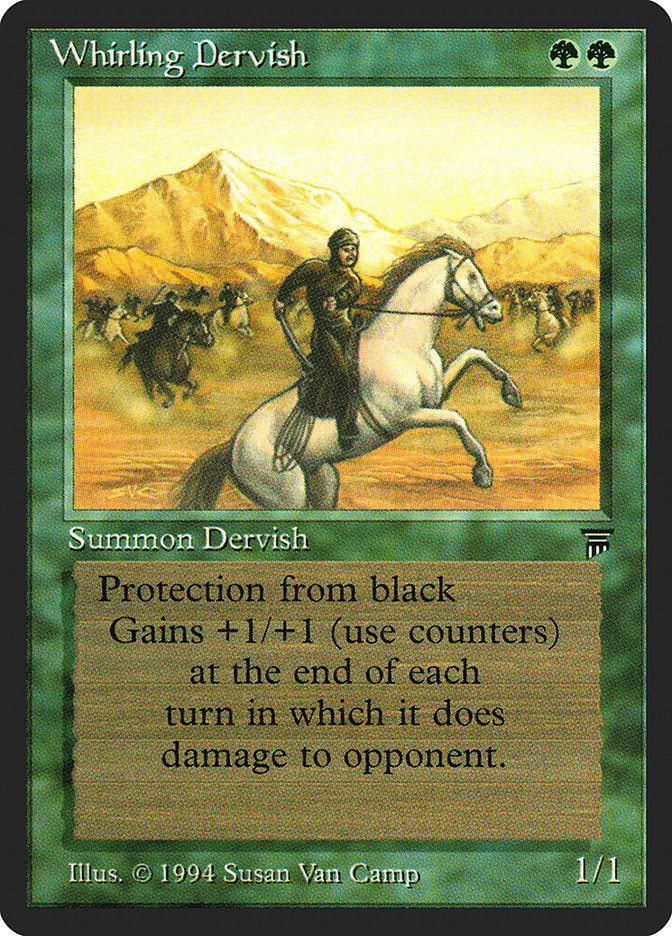
Whirling Dervish
Fremen Naibs in Dune are the, typically leaders of a Sietch (a hidden desert community) who rise to power through combat, just like Whirling Dervish.
They embod the role of chief, judge, and military commander. They are, by definition, the strongest, wisest, and most resilient warriors, tasked with the absolute authority of managing water, security, and survival.
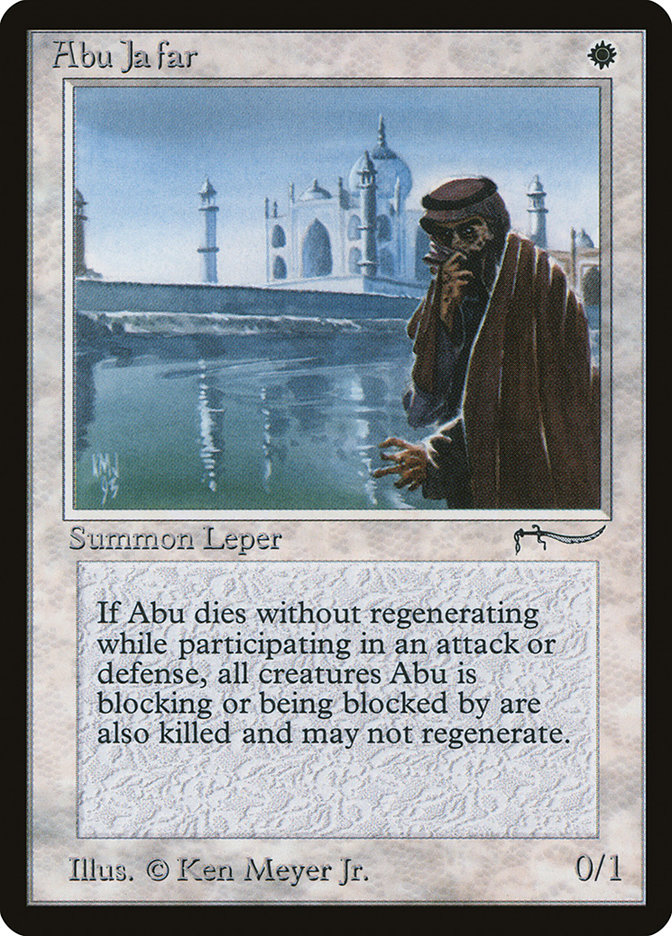
Abu Ja’far
The Fedaykin are the elite Fremen “death commandos” and personal, fanatic guard of Muad’Dib. Abu is the most “Fedaykin” thing ever printed. elite, disciplined, and absolutely not interested in being taken alive. In play he buys you time. He makes attacks awkward. And while your opponent is trying to solve this one little 0/1 problem, you’re quietly setting up the prophecy.
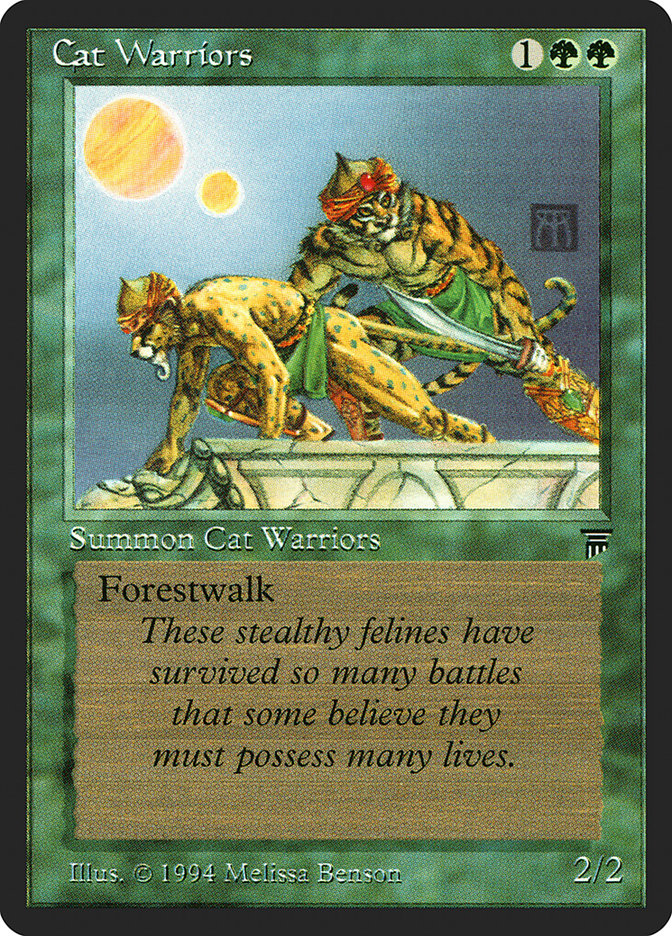
Cat Warriors
Fremen infiltrators are elite, melee-focused stealth units that use crysknives to exploit weak points, often striking from shadows. They are highly adaptable, slipping through routes only locals know, utilizing “worm taxis” for flanking, and often accompany Fedaykin warriors or utilize guerrilla tactics to destroy enemy supply lines. I love the artwork of these kittens. Purrr!
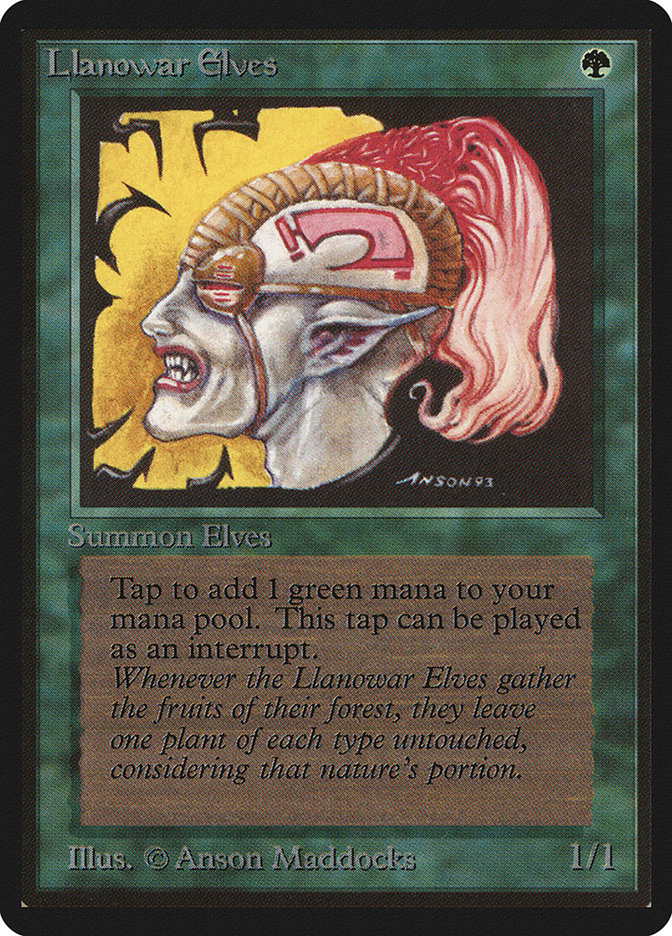
Llanowar Elves
Yeah, I know: on paper these are just the usual green glue. But in this deck, I love them as Fremen runners! Runners are highly disciplined, and physically conditioned, acting as messengers and specialized soldiers across the brutal desert of Arrakis. They are not merely scouts, but trained for speed, using stilsuits to move efficiently and swiftly over sand dunes.
Put all of that together and you get the feel I wanted: not “random desert creatures,” but an actual Fremen force. Scouts that own the terrain. Leaders that grow into inevitability. Fanatics that turn combat into sacrifice. Infiltrators that punish weak points. And runners that make the whole machine work.
THE SUPPORTING CAST
Once the Fremen core was locked in, I wanted a few singletons that felt like named characters stepping into frame. Not because they’re objectively the most efficient Old School choices (they’re not), but because they complete the picture. Hazezon is Paul. The Fremen are the engine room. These are the faces you recognize.
Stilgar is the Naib of Sietch Tabr—respected, battle-tested, and absolutely anchored in Fremen tradition. A zealot, and a survivor. Early on he’s cautious and pragmatic; later he becomes one of Paul’s strongest believers. He’s a leader who moves with his people around him, a presence that brings momentum.
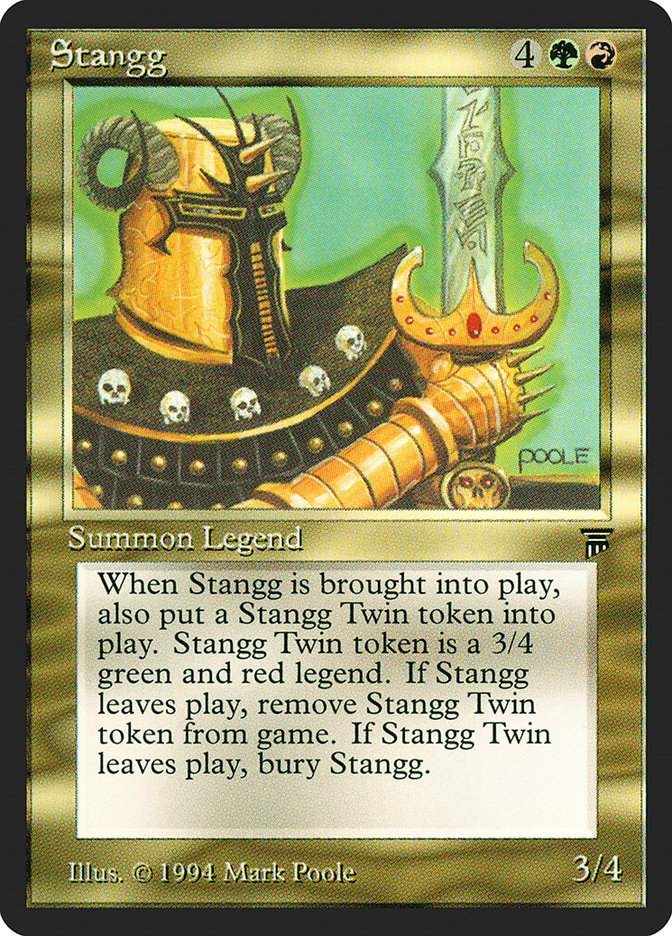
Stangg feels like Stilgar because he doesn’t arrive alone—he arrives with his people. The “twin” reads like the sietch that moves with him, the fighters at his shoulder. Mechanically, it’s also on-theme for this build: extra bodies matter, board presence matters, and having a named “leader” that naturally brings more material to the table fits the whole “sietch becomes an army” arc we are building toward with Hazezon Tamar.
Liet-Kynes is the Imperial Planetologist… and secretly the beating heart of the Fremen dream. He doesn’t just believe Arrakis can be transformed—he believes the Fremen can outlast it. He’s a scientist, a believer, and a bridge between worlds—Imperium on paper, Fremen in spirit. His role is bigger than battles: he represents the long plan, the ecology, the idea that survival is also understanding. He studies the planet, learns its rules, and then helps his people adapt to it: conserve, endure, persist. The dream of a greener Arrakis is real, sure—but it only happens if the people survive long enough to see it.
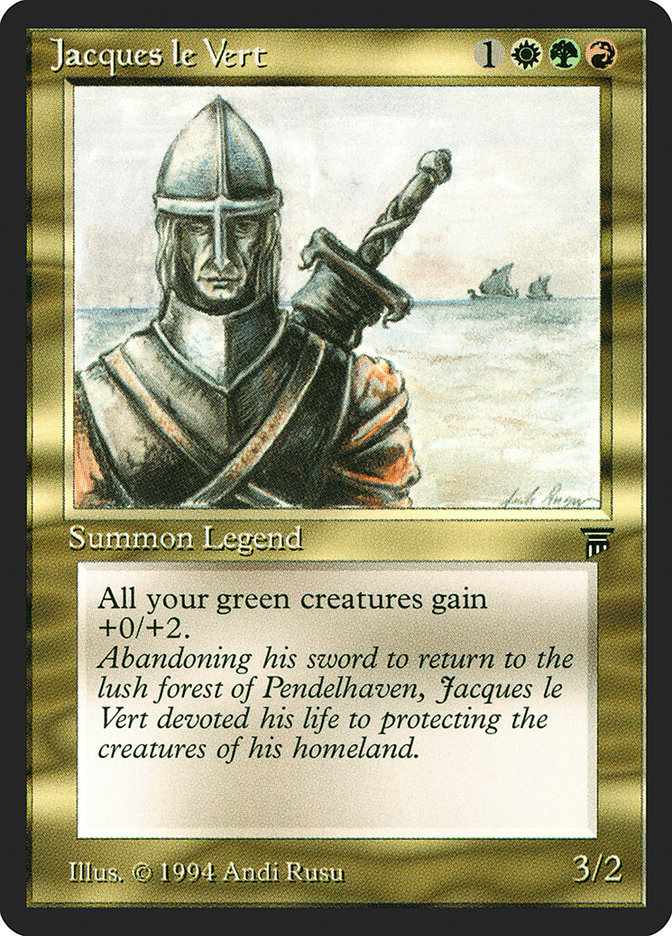
Jacques le Vert is Kynes because he’s oddly resilient and stubborn, even on his own. He is harder to remove than he looks, because Le Vert is also a green creature! That get’s him out of Bolt range straight out of the gate. He is the kind of body that just keeps being there and serves ad an anthem for Hazezon’s Sand Warriors. It’s a simple translation: As long as Kynes persists, the Fremen will endure.
Chani is Fremen through and through—sharp, grounded, and fiercely loyal. She’s Paul’s partner, but never just “the love interest.” She’s his link to the Fremen reality: survival, discipline, and the emotional truth under all the myth-making. When the story gets grand and cosmic, Chani keeps it human.
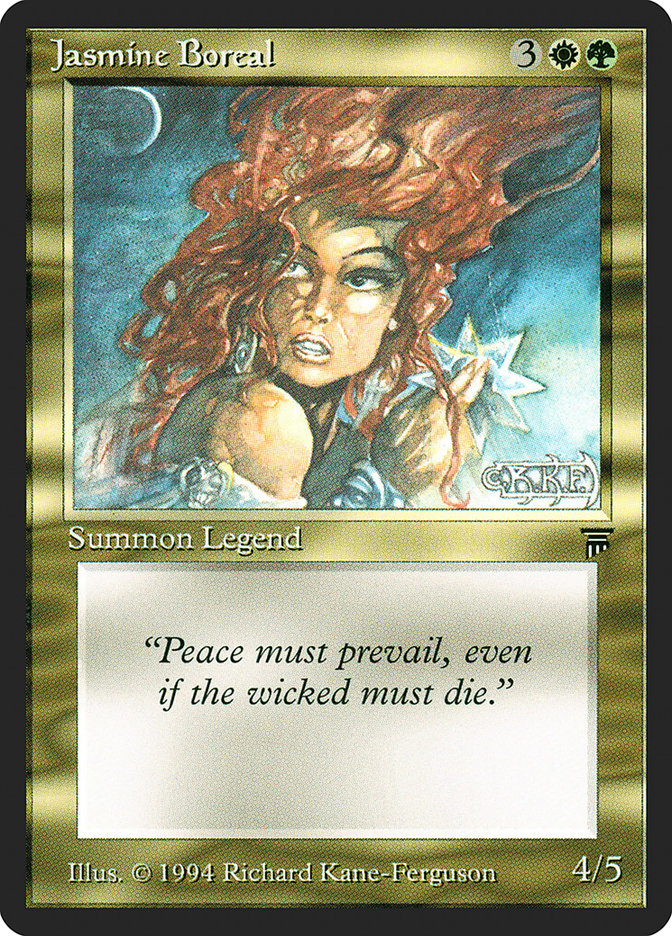
Jasmine Boreal is my Chani because she’s simple, steamy, and strong without needing a paragraph of rules text. No tricks—just presence. In this deck she’s the kind of creature that quietly holds the line and makes combat honest, which is exactly how I think of Chani: not showy, not mystical—just real(y hot), and absolutely essential.
And that brings us to the final creature of this list: Shai-Hulud!
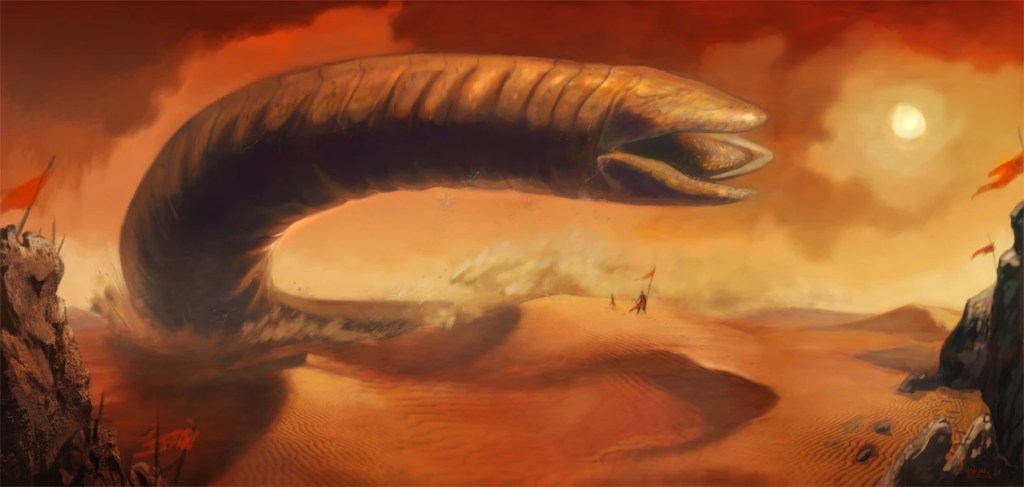
Shai-Hulud—the sandworm—isn’t just a monster. It’s the god-beast of Arrakis, the force of nature that shapes everything: travel, warfare, religion, and the spice itself. You don’t fight the worm. You respect it, you fear it, you work around it… and if you’re Fremen, you learn to ride it.
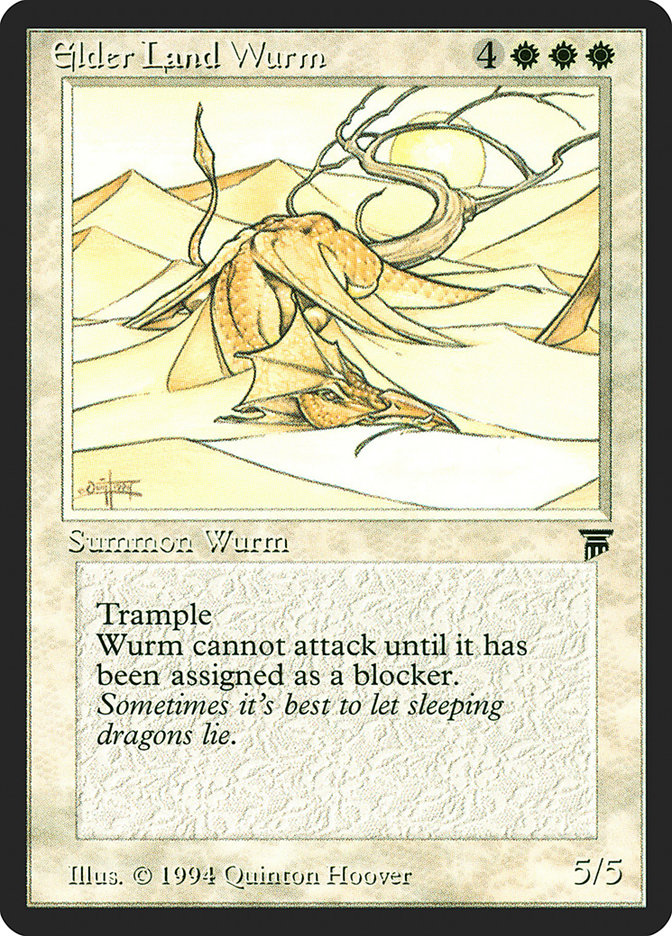
Elder Land Wurm is my Shai-Hulud. A creature that was sleeping under the sand the whole game untill somebody steped onto it and the ground answered. Once the Wurm is on the table, attacking you feels like tempting fate… eventually the desert does what it always does, it consumes you. The desert doesn’t belong to emperors or houses or even prophets. The desert belongs to the worm.
So that’s the creature suite in a nutshell: Hazezon as Paul Atreides, the Fremen package, and then the supporting cast to make it feel like an actual Dune story instead of “Naya cards with a Desert or two.” None of these picks are here just to be cute—together they give the deck a real identity. It plays like a sietch: patient, disciplined, and a little underestimated… right up until the prophecy becomes real and the dunes start moving.
THE DESERT REACTS FAST
If the creature suite is the cast, the instants are the moments where Arrakis bites back. Dune combat is brutal, and opportunistic: an ambush in the rocks, a crysknife in the dark, a harvester sabotaged right when it matters, a storm that wipes away someone’s “perfect plan.” That’s exactly what this instant package is doing for the deck. While Hazezon is building toward the big prophecy turn and the Fremen are setting the tempo, these spells are your quick reactions—cheap, efficient, and a little mean—designed to keep you alive and to keep the opponent off balance
Crysknife justice
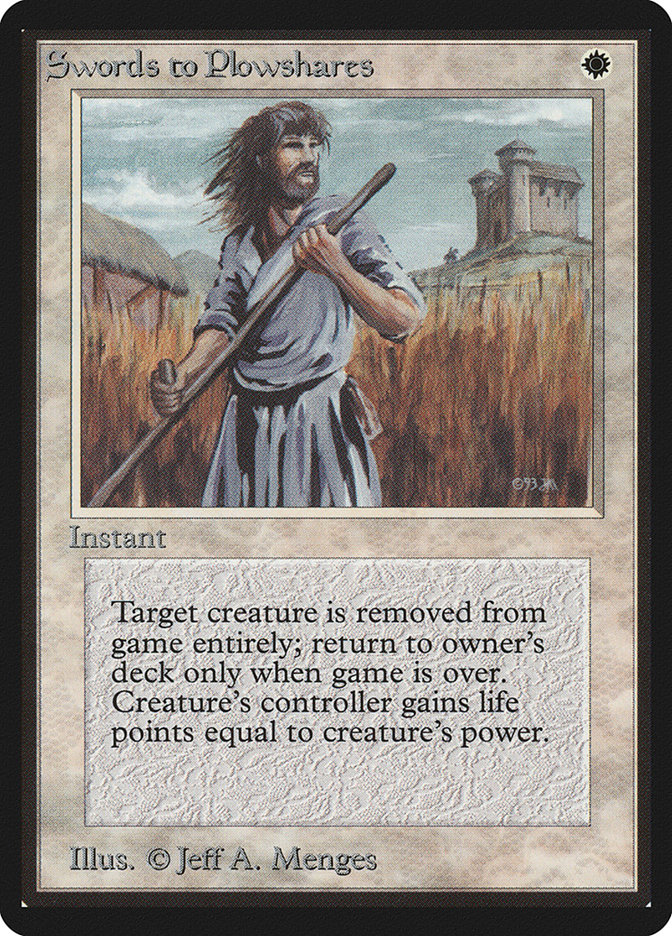
In Dune, violence is quick and personal. A crysknife isn’t about showmanship—it’s about ending the problem now. Swords to Plowshares does that better than anything in Old School: one clean motion and your biggest threat is gone. And the life gain? In this deck I actually love it as “water returns to the system.” You remove the danger, but nothing is free on Arrakis—resources shift, the tribe endures.
Fremen sabotage
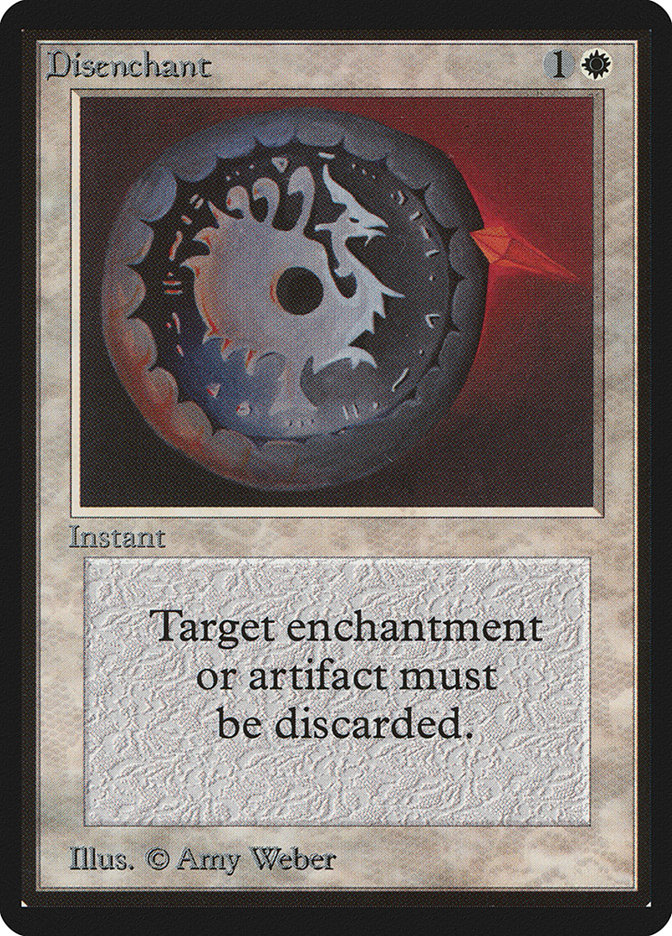
If the Imperium shows up with technology, the Fremen answer with real desert power. Disenchant is the deck’s sabotage team: shields, machines, cursed artifacts, oppressive enchantments—anything that feels like off-world advantage gets taken apart with desert pragmatism. It’s not glamorous removal, it’s effective, and it keeps your Hazezon plan from getting bricked by one dumb permanent.
Lasgun burst
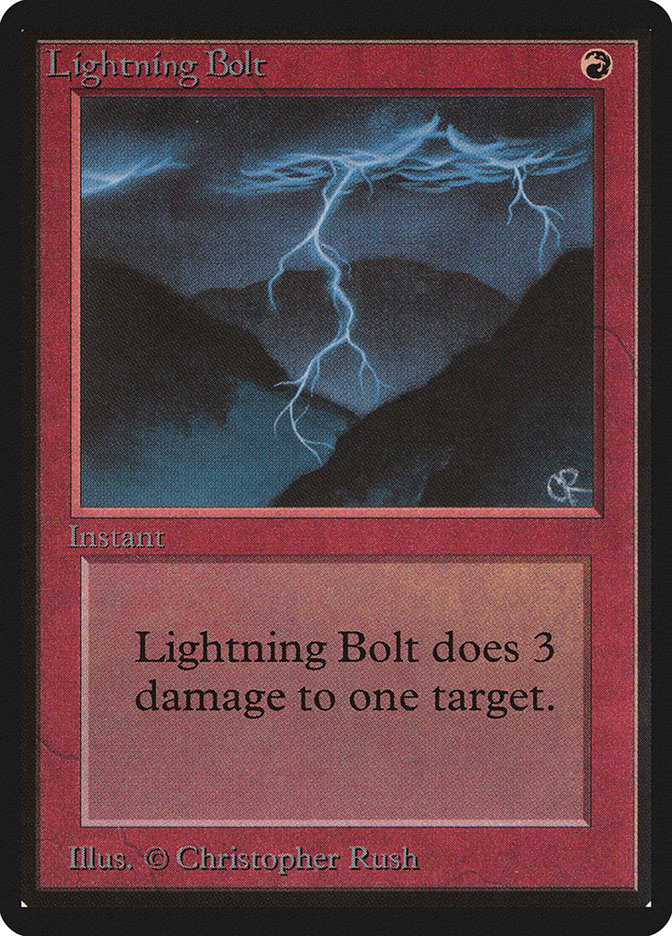
A lasgun (laser) beam hitting a Holtzman personal shield triggers a unpredictable, often massive nuclear explosion, frequently killing both the gunner and the target. This reaction acts as a, causing a mutually assured destruction scenario that restricts their use in combat. But sometimes you need something dead. Lightning Bolt is that sudden, brutal flash of violence
Sandstorm
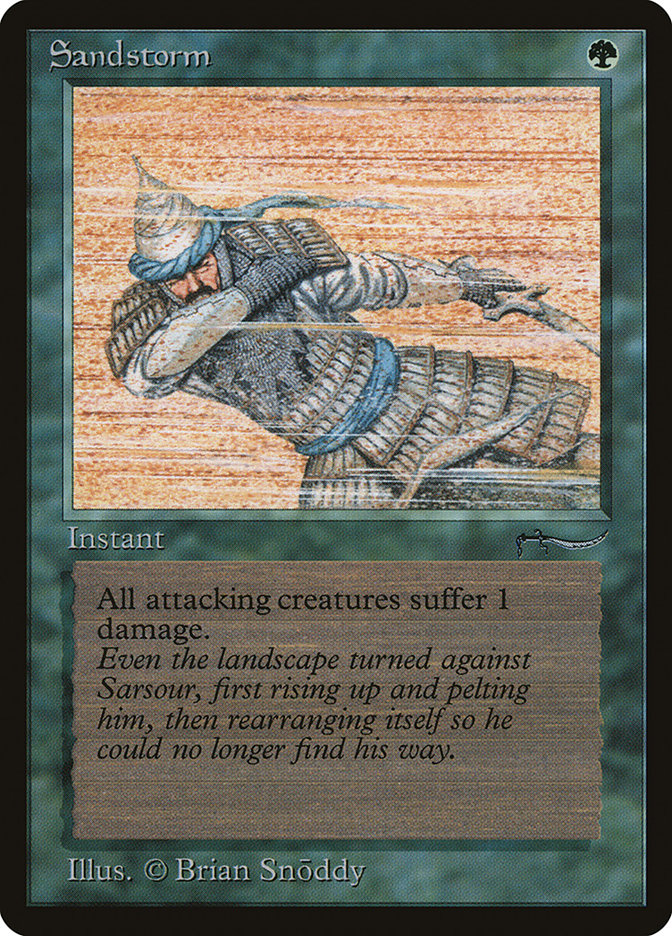
A sandstorm is a meteorological feature of the planet Arrakis. Sandstorms are violent, consisting of electrically charged wind, sand and dust, flying at speeds of up to 500km/h. Anyone cought in a sandstorm was almost guarranteed to die. The speeds at which the sand and dust were thrown would typically rip flesh from bone. Combined with Desert no one will attack you with confidence.
PROPHECY WRITTEN IN THE SAND
If the instants are the quick, dirty moments—an ambush, a sudden reversal—then the sorceries are the part where the plan unfolds. This is the “Dune story” card type: expeditions into dangerous territory to secure resources, hard resets when power gets out of balance, and those turning-point decisions that can’t be taken back once they’re made.
Claiming Territory
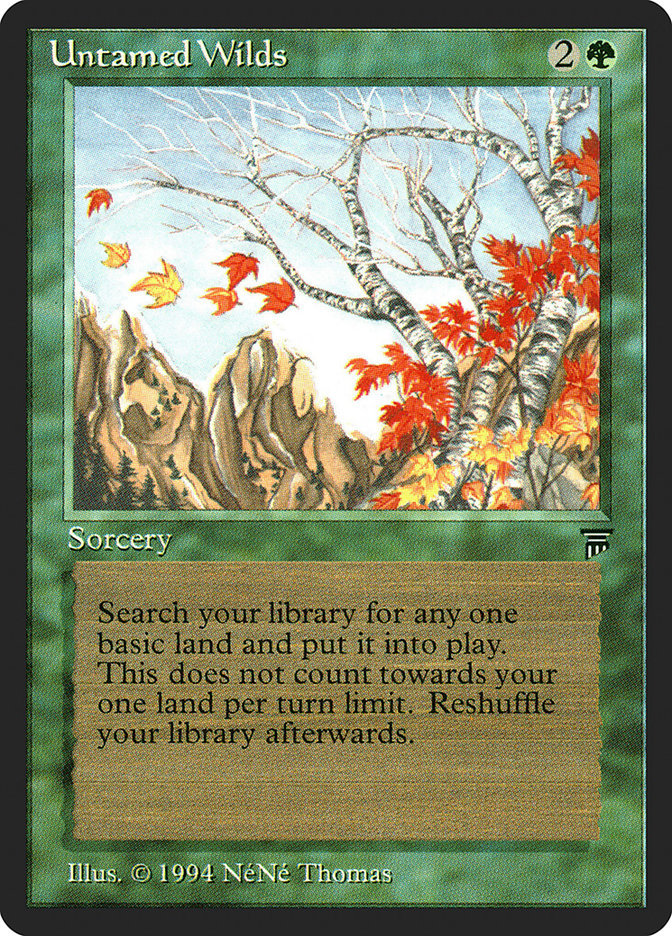
Untamed Wilds isn’t flashy ramp—it’s scouting, mapping, and finding the route that gets you where you need to be. It’s the Fremen doing what they always do: moving with purpose, not speed for speed’s sake.
And that last part matters because I’m not just trying to “ramp.” I’m trying to expand my land base so that when Hazezon turns the corner, he can spit out as many Sand Warriors as possible.
Coriolis storm
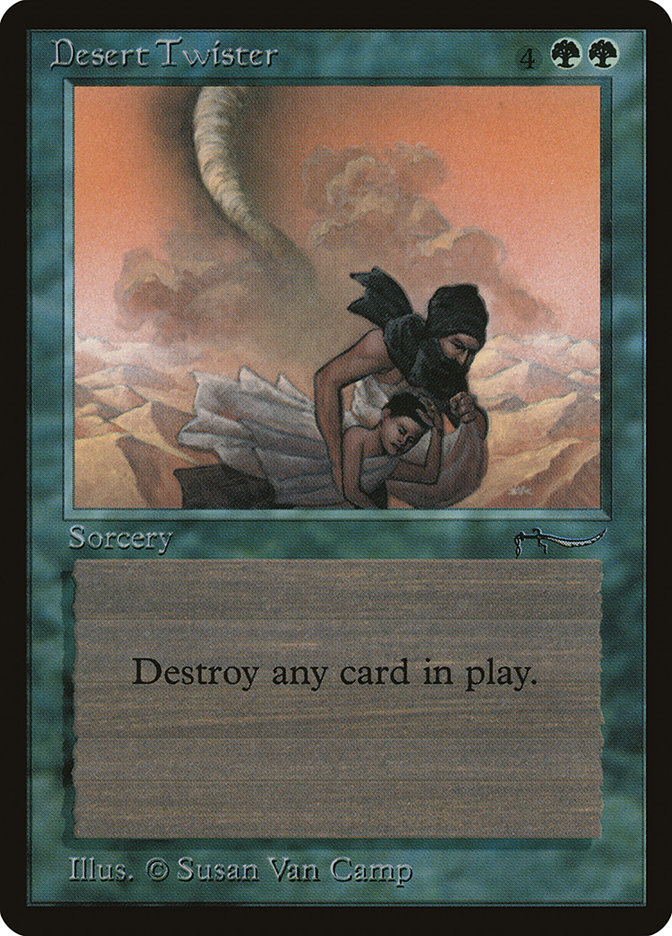
Desert Twiser is big, dramatic, and absolutely on theme. Yeah, it’s expensive to cast. But you don’t cast it because you’re ahead—you cast it because something has to disappear. Twister might be slow but it’s dramatic and absolute. When it resolves, it’s the desert swallowing a harvester whole—problem gone, sand over the top, move on.
Landsraad: the fragile ‘order’
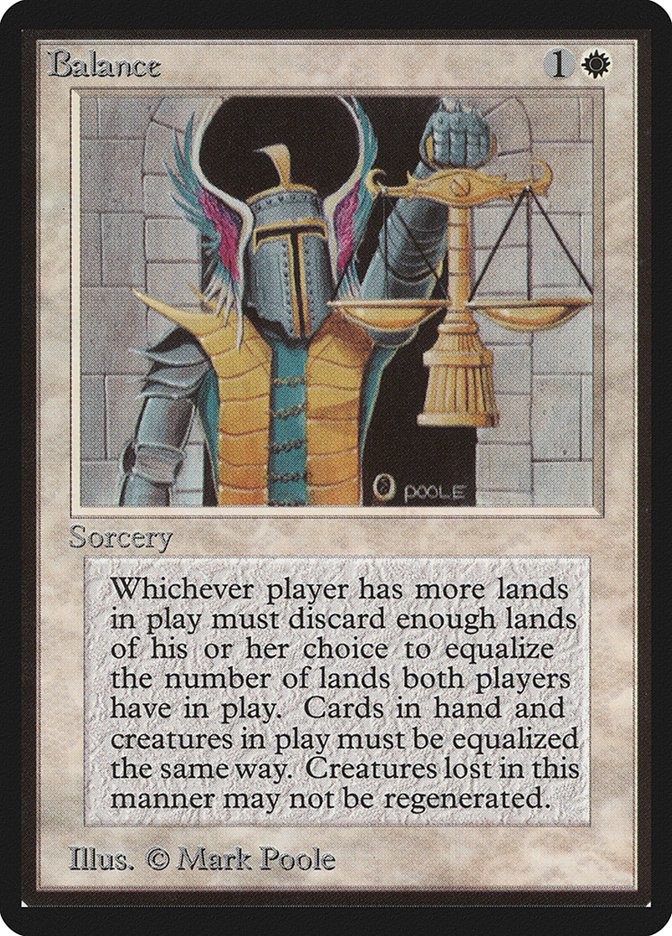
The Landsraad is a political body made up of the Great Houses that exists to keep anyone from becoming too dominant. It isn’t “peace” so much as managed instability—a system where power stays distributed. That’s why Balance is such a perfect translation. A hard reset that enforces parity but if you time it right, you don’t just survive the reset… you come out of it holding the real power.
Water of Life
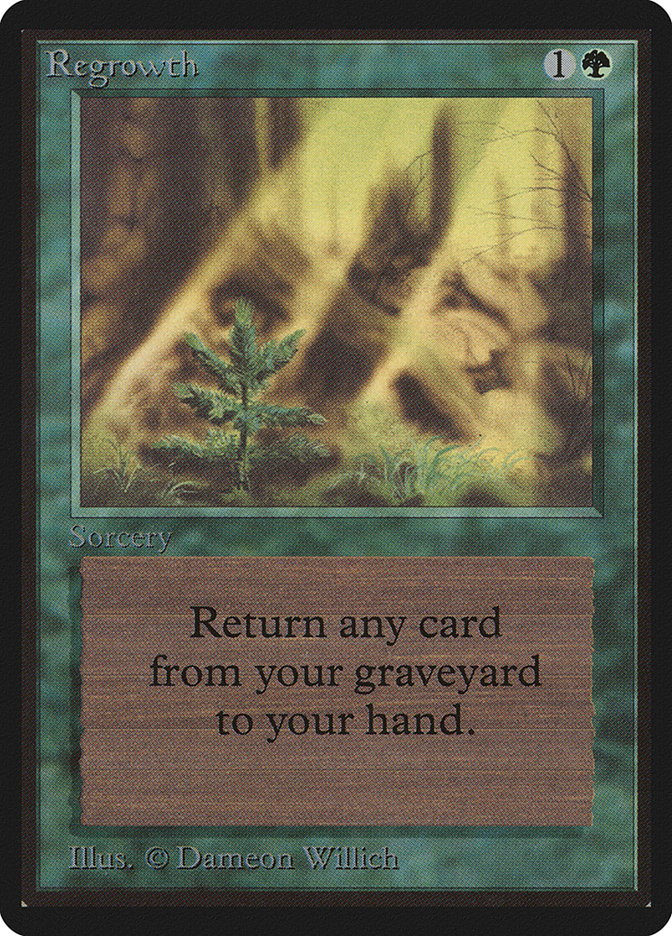
In the book, the Water of Life is the turning point ritual. It’s lethal to outsiders, sacred to the Fremen, and it’s tied to transformation rather than comfort. When Paul drinks it, it’s not “a power-up”—it’s a trial that basically kills the old version of him. He collapses, teeters on the edge, and when he comes back he’s changed: awakened, sharpened, more than he was before. It’s a regrowth.
Family Atomics
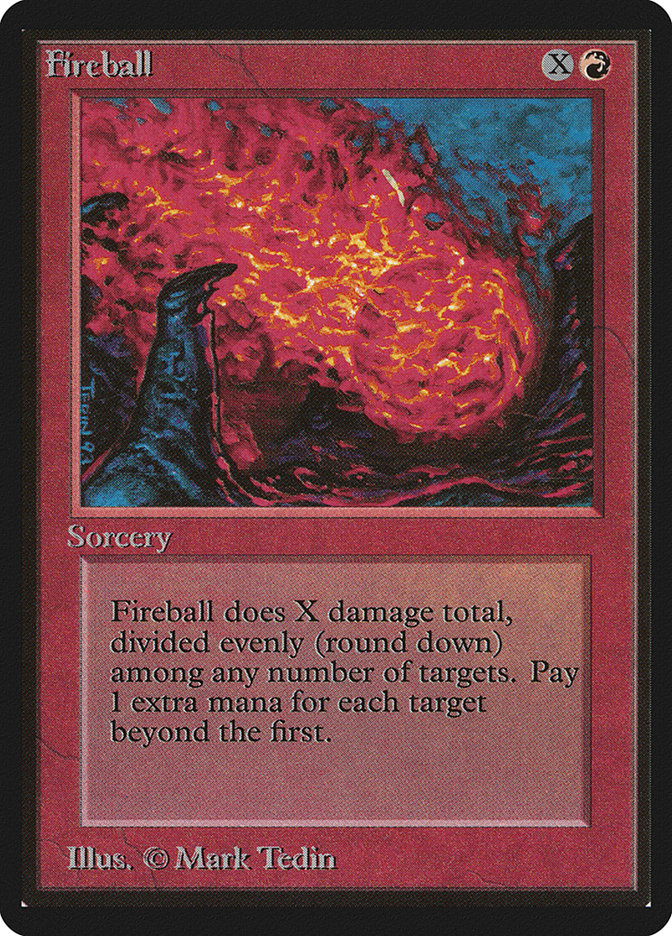
Atomics are the ultimate taboo inheritance: every Great House keeps a hidden cache, but using atomics on human targets is banned under the Great Convention. Paul fires his family atomics nonetheless—just not directly at his enemies. He targets the Shield Wall that keeps them safe on Arrakis, blasting a breach so that storms, chaos, and worm-riders can do the actual killing. Fireball is the perfect translation to me.
SPICE-TECH, PRESCIENCE, AND SUSPENSOR WEIRDNESS
In Dune, nobody wins just by having the better warriors. You win by controlling what matters: resources, information, and the tools that let you survive conditions other people can’t. That’s exactly what my artifacts and enchantments represent. They’re not characters in the story—they’re the forces shaping it. Spice caches that speed up the timeline, prescient glimpses that turn guessing into planning, and a touch of off-world tech that lets you move in ways the desert doesn’t expect.
Spice cache
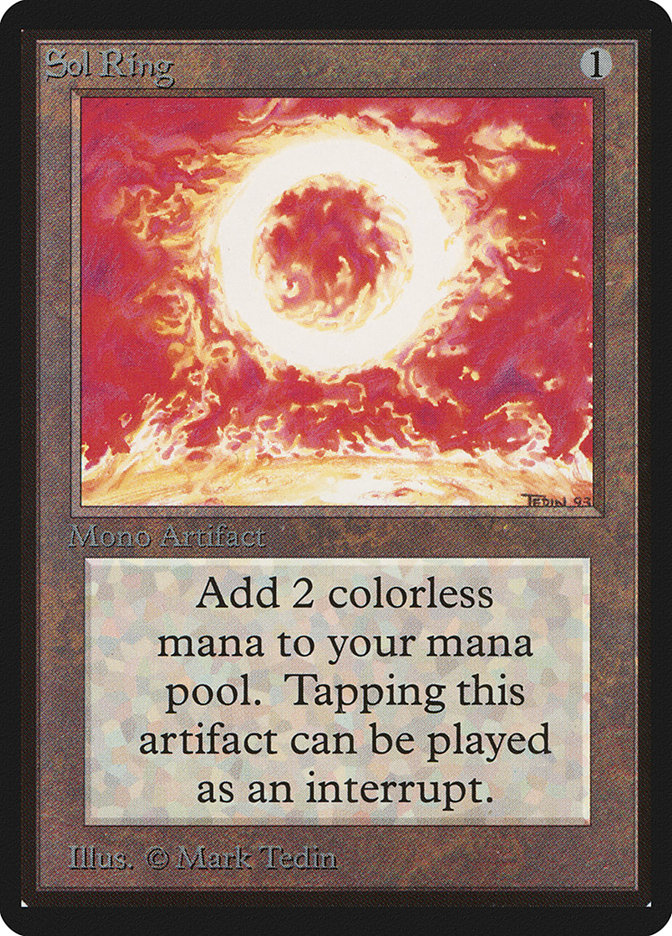
Spice is the resource. The obsession. In Dune, everything circles back to spice. Melange isn’t just valuable, it’s the thing that unlocks the universe. Power, control, leverage, survival… it all starts with who has access to it, and how fast they can turn it into momentum. That’s why Sol Ring is my spice cache. It’s just raw advantage—exactly how spice is supposed to feel.
Prescience
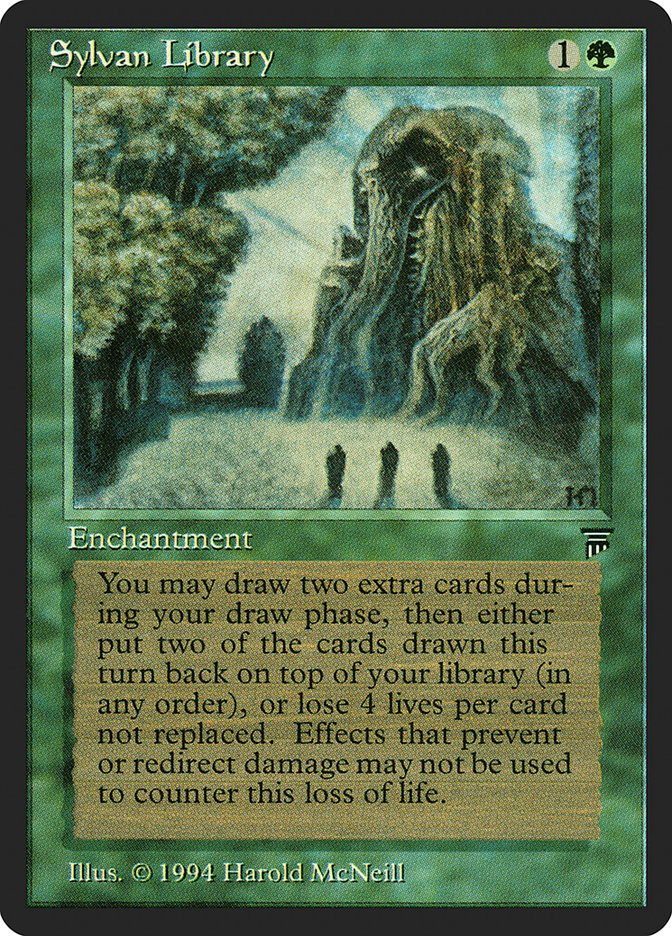
Paul’s can see possible futures stacked on top of each other, some loud and clear, others hazy or hidden, and tiny choices can shove things onto a completely different track. And while spice unlocks and amplifies that awareness-spectrum prescienceit there are still blind spots. Sylvan Library is such a perfect fit. Every upkeep you get a peek at three little futures—three possible next steps
Suspensors
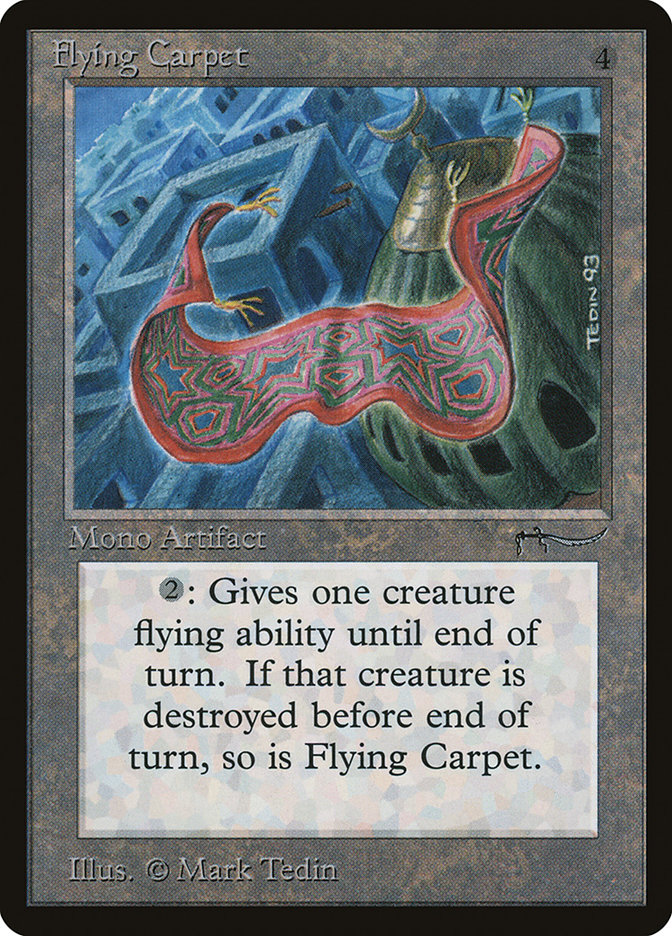
A big part of surviving on Arrakis is not interacting with the sand. Anything rhythmic brings the worm. Anything heavy sinks. So you adapt—use suspensor tech or ornithopter lift: technology that gives you mobility and ignores the normal rules of terrain when it gives you an edge. Flying Carpet is exactly that. A key creatures can simply take off into the skies.
“THE PLANET IS ARAKKIS, ALSO KNOWN AS DUNE!”
In Dune, Arrakis isn’t just a backdrop—it’s the prize. Everyone is fighting over control of that one planet because whoever controls Arrakis controls the spice… and whoever controls the spice controls everything. You can hear it in that old 1984 opening monologue: the spice extends life, expands consciousness, makes space travel possible—so of course the entire known universe ends up chained to a desolate rock with endless deserts.
And the places on Arrakis actually mean something: the open erg where one wrong move can call up Shai-Hulud, the rocky Shield Wall that feels safe right up until it isn’t, the hidden sietches where the Fremen survive and plan in secret, and hubs like Arrakeen, where power always comes with a price. Control the routes, control the shelters, control the spice… That’s why the land section in this deck isn’t “just mana.” I wanted the board to feel like Arrakis: territory you claim, safe ground you retreat to, and dunes that punish anyone who forgets what kind of planet this is.
The Desert planet
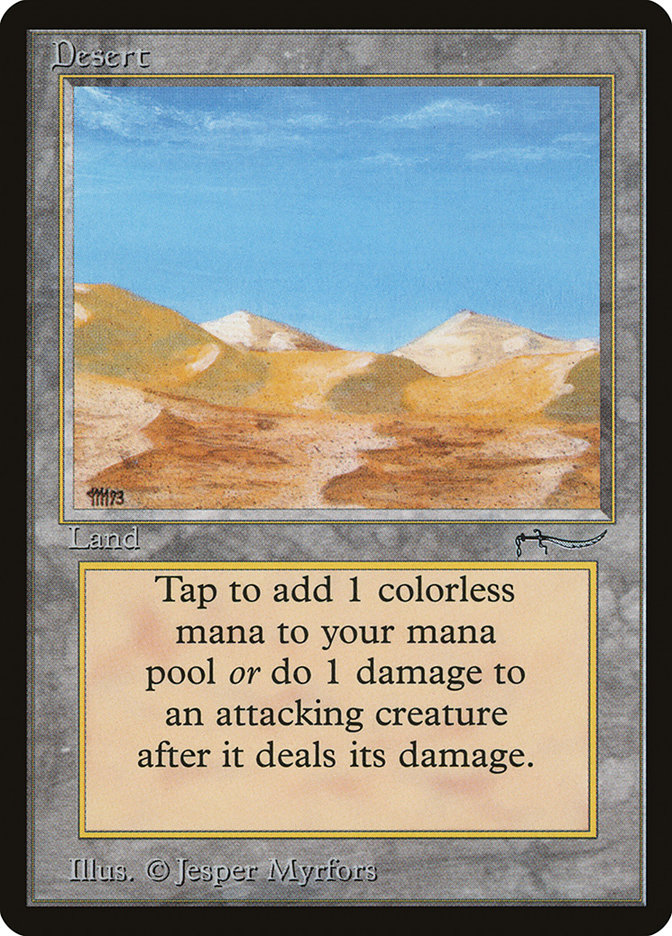
The Desert punishes arrogance, it punishes waste, and it punishes anyone who shows up thinking they can brute-force a planet into submission. Walk wrong, move wrong, make the wrong kind of noise, and Arrakis reminds you who’s in charge. The Fremen don’t survive because they’re tougher in a fight—they survive because they understand the desert and respect it like it’s alive.
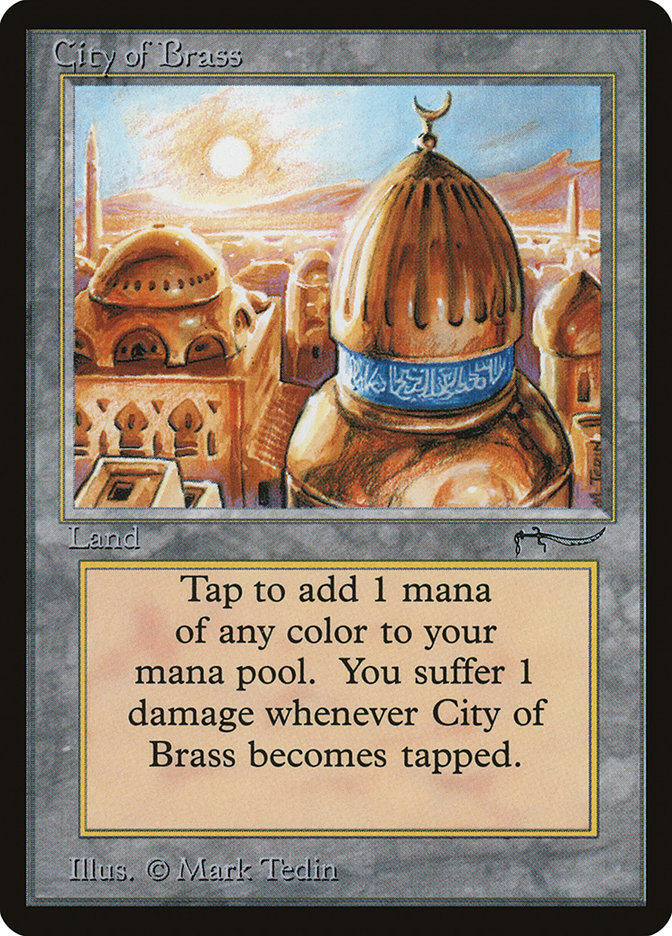
Arrakeen / The Imperial Bazaar
Arrakeen is where the ruling House plants its flag, where the spice flows through official channels, and where the Imperium can pretend the planet is manageable. Behind walls and guards, Arrakeen is as close as you get to “safe” on Dune. Arrakeen is also a pressure point: trade, politics and leverage That’s why City of Brass fits so well. It fixes your colors perfectly—because power in Arrakeen opens doors—but it costs you.
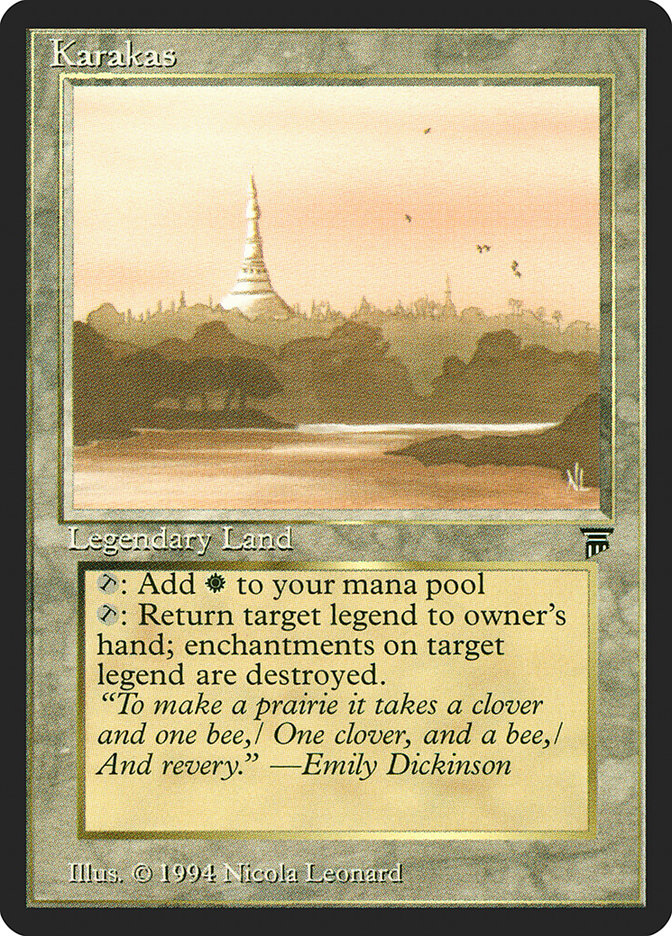
The sietch
The reason the Fremen can exist at all. Hidden in rock, protected by secrecy, stocked with water, and built around discipline. They’re refuge, community, and strategy in one. Outsiders can march armies across Arrakis all day, but if they can’t find the sietches, they don’t actually control anything. That’s the whole point: real power on Dune is survival and secrecy. Karakas is a place where your legends can retreat to when the heat comes down.
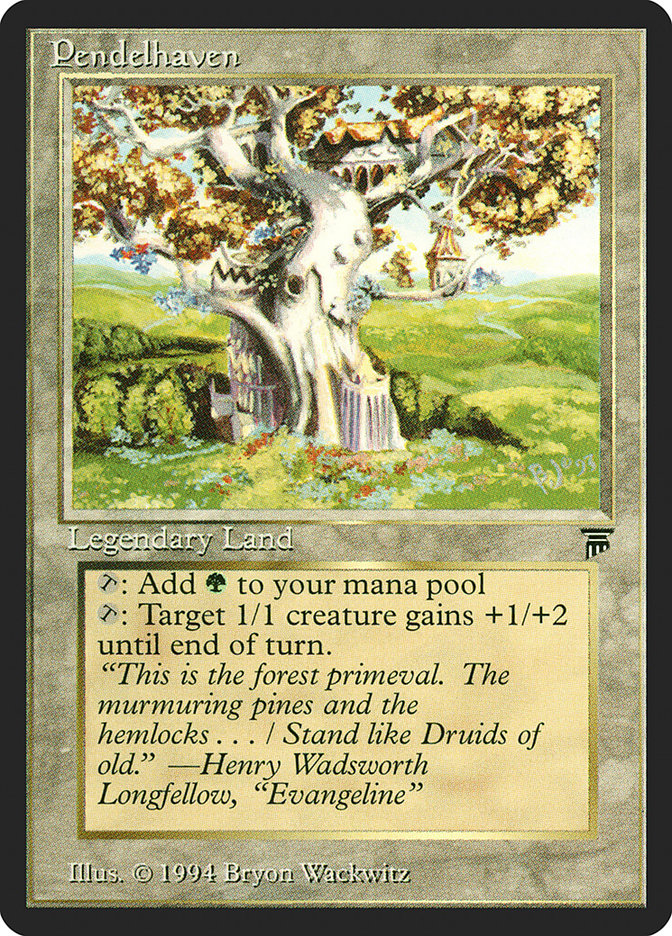
The hidden green dream
Arrakis isn’t meant to be only sand forever. The Fremen carry this quiet, stubborn dream—fed by Liet-Kynes’ vision—that the planet can change. Not overnight, not with a miracle, but through discipline: water stored drop by drop, plants introduced and protected, life slowly taking root where it “shouldn’t.” Terraforming! That’s why Pendelhaven belongs here.
Holtzman “weird physics”
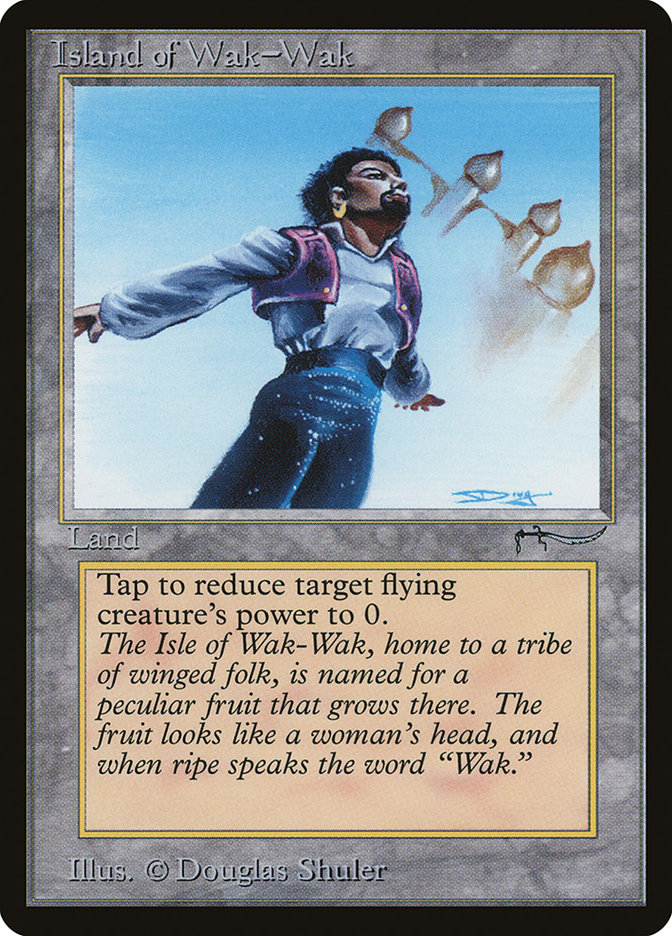
One of my favorite things about Dune is how often tech doesn’t behave like “normal sci-fi tech.” Holtzman fields (shields, suspensors, all that good stuff) don’t just make you stronger—they make the world stranger. Speed matters in weird ways. Certain kinds of attacks just… stop working. Island of Wak-Wak kinda fits because it feels like one of those Dune moments where somebody thought they had “air superiority” and then reality intervenes.
Spice Mining
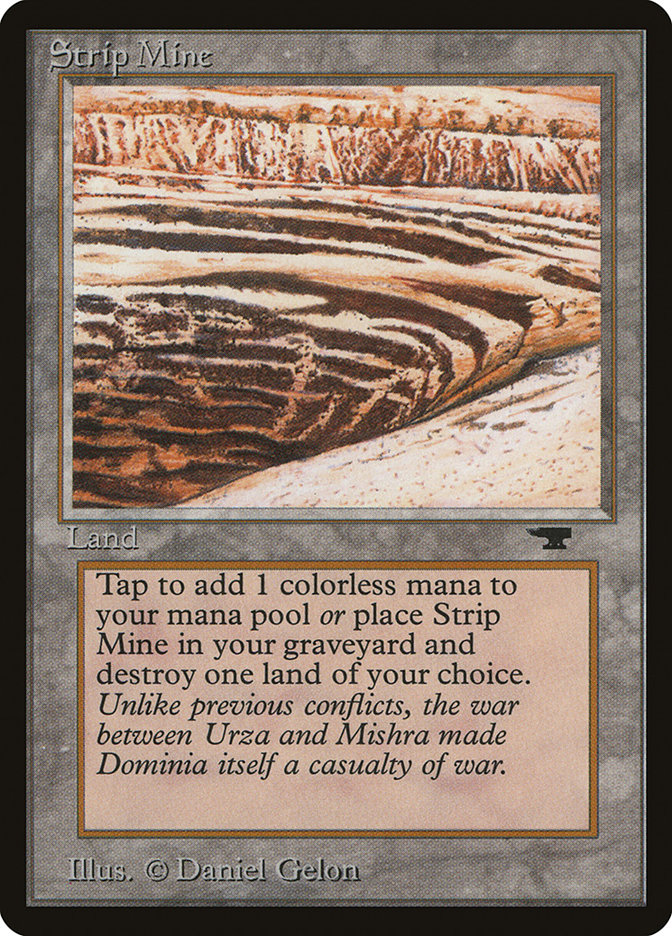
The whole conflict on Arrakis exists because of the spice, and spice only matters if somebody is out there harvesting it from the desert. On Arakkis, spice mining is never just “industry”—it’s exposure. Exposure to the desert, to the worm, and to anyone willing to hit your supply line. Strip Mine fits well. it reads like sabotaging a spice operation or denying control over a key part of Arrakis.
The rest of the planet
In the story: Arrakis isn’t just “sand, sand, sand.” There’s the open erg, sure—but there’s also rock and shelter, harsh open stretches where you’re exposed, and the idea that something greener could exist someday. Even on Dune, the landscape has layers.
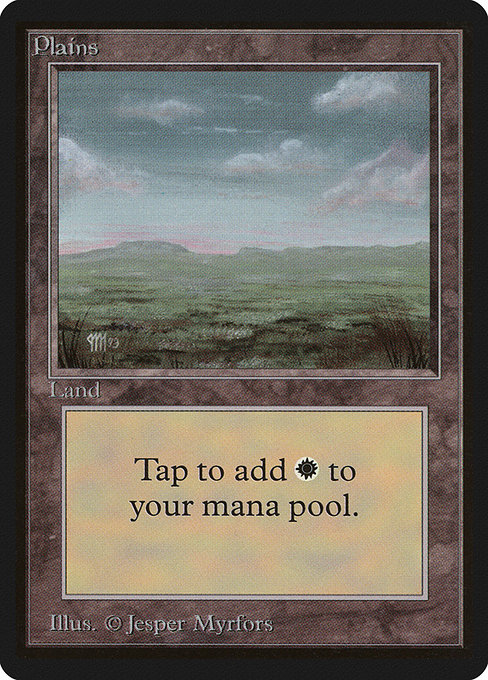
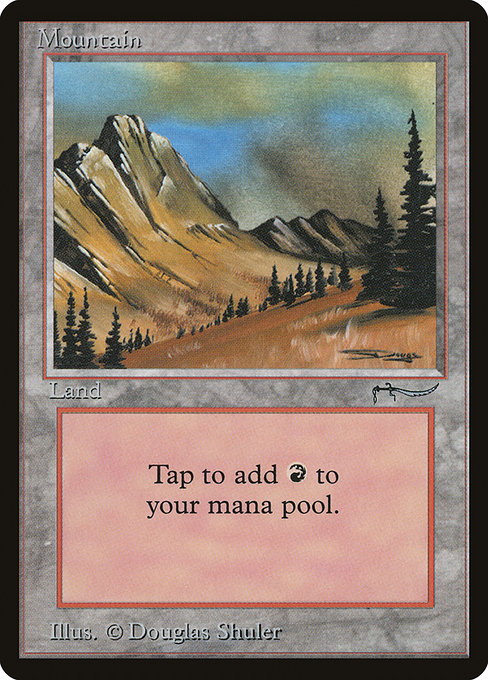
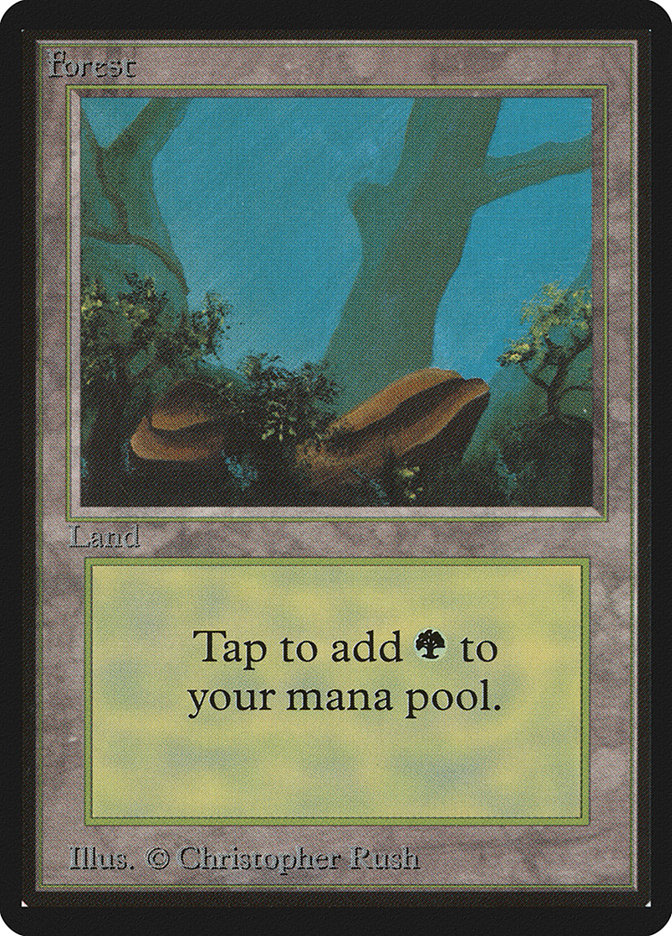
Yup, no duals! The basics are part of the theme, part discipline—and part fuel. With no duals you can’t just autopilot your mana; you have to respect sequencing, you have to plan ahead. But they’re also important for a very practical reason: Untamed Wilds needs basics to go find. Every time it pulls one out, your land count goes up, your colors get steadier, and Hazezon’s eventual Sand Warrior turn gets that much scarier. It’s not just “fixing mana.” It’s claiming more territory, which is exactly how this deck turns into a wave instead of a handful of desert creatures.
THE LIST
Creature (18)
2x Abu Ja’far
2x Cat Warriors
2x Desert Nomads
1x Elder Land Wurm
2x Hazezon Tamar
1x Jacques le Vert
1x Jasmine Boreal
4x Llanowar Elves
1x Stangg
2x Whirling Dervish
Artifact (2)
1x Flying Carpet
1x Sol Ring
Instant (9)
2x Disenchant
2x Lightning Bolt
2x Sandstorm
3x Swords to Plowshares
Sorcery (8)
1x Balance
1x Desert Twister
1x Fireball
1x Regrowth
4x Untamed Wilds
Enchantment (1)
1x Sylvan Library
Land (23)
3x City of Brass
3x Desert
6x Forest
1x Island of Wak-Wak
2x Karakas
3x Mountain
1x Pendelhaven
3x Plains
1x Strip Mine
This version of the deck ended up at 61 cards: 18 creatures, 20 non-creature spells, and 23 lands. That spread feels right for what the deck is trying to do. I wanted enough creatures to make the Fremen theme really show up on the table, enough interaction to survive the early turns, and a land count that does more than just cast spells. In this build, lands are part of the engine. Hazezon actively rewards me for building out my mana base, so going a little heavier on lands never felt like a tax—it felt like leaning into the plan.
The mana is a little rough around the edges. There are no duals here, and that’s part of the charm. It makes the deck feel more like it’s fighting for ground instead of just effortlessly assembling perfect colors. The high basic land count matters a lot because of Untamed Wilds. I’m not just ramping for the sake of it—I’m expanding the board in a way that makes Hazezon better. Every extra land increases the number of Sand Warriors Hazezon can produce, and that gives cards like Forest, Plains, and Mountain an actual job beyond “tap for mana.”
What I like most is that the deck has a bunch of fun little interactions. Hazezon + Karakas is the obvious one, and it’s still the heart of the whole thing: land the legend, get the prophecy in motion, then pull him back to safety while the desert does the rest. Untamed Wilds feeds that plan by making sure you keep finding more territory. Pendelhaven quietly makes Llanowar Elves and Sand Warriors much more relevant than they look at first glance. Sandstorm can completely mess up combat, especially when combined with a Desert or two. Flying Carpet is really fun with Abu Ja’far or Island of Wak-Wak—it can create those weird little Old School moments where the game suddenly stops being straightforward.
That’s really the sweet spot I was aiming for. The deck has strong flavor, but it also has real play to it. It ramps, interacts, stalls, pressures, and then eventually Hazezon does his thing and the desert is suddenly full of people.
SIDEBOARD: MORE DESERT WARFARE
The sideboard is where the deck gets a little meaner. The maindeck is already trying to tell a Dune story, but the board lets me lean harder into specific parts of that world depending on what’s across the table: desert heat, Fremen resilience, and the constant war against off-world tech and control. Some of these cards are in here because they’re strong. Some are in here because they fit the theme so well I couldn’t resist. The sweet spot is that, in most cases, they do both.
3x Knights of Thorn
1x Inferno
3x Red Blast
1x Disenchant
2x Crumble
1x Dust to Dust
2x Tranquility
2x Whirling Dervish
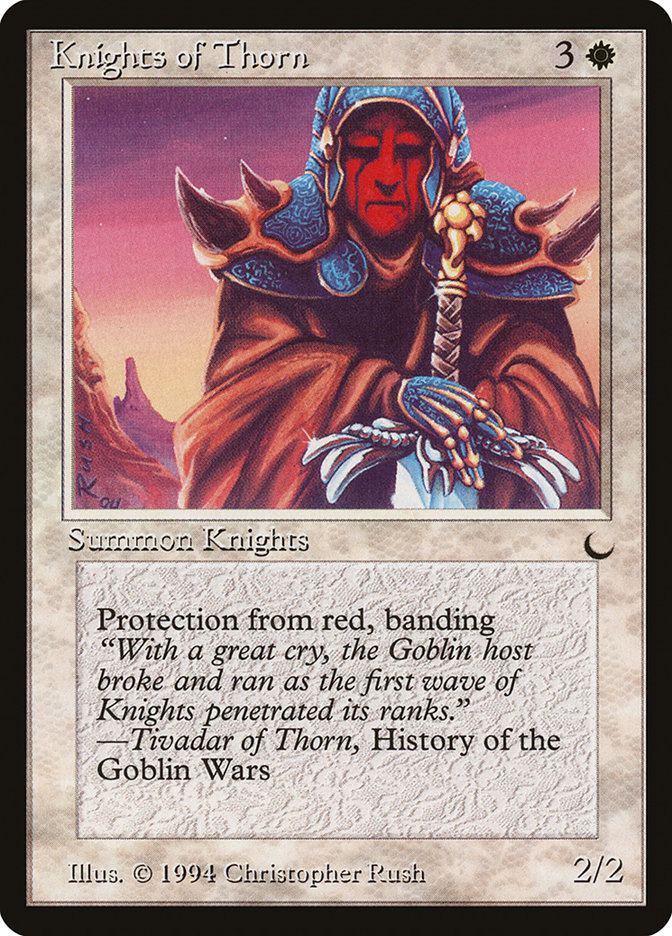
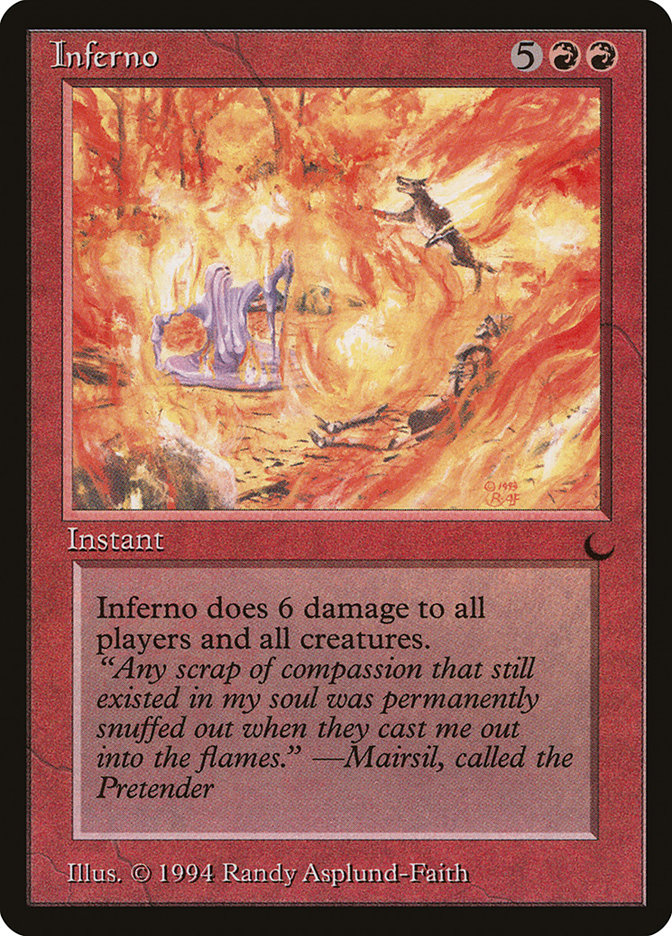
This is my favorite package in the board. Knights of Thorn feel like desert-hardened survivors—fighters who can endure the kind of brutal heat and fire that would wipe out everyone else. Mechanically, that tracks: Knights of Thorn has protection from red, and Inferno deals 6 damage to each creature and each player, which means the Knights survive your own apocalypse. Flavor-wise, that’s pure Arrakis to me: the planet is so hot and hostile it might as well be an inferno, and the people adapted to it are the ones still standing when the fire clears. I’d board these in against red decks, creature-heavy aggressive decks, or any matchup where I want a reset button that breaks symmetry in my favor.
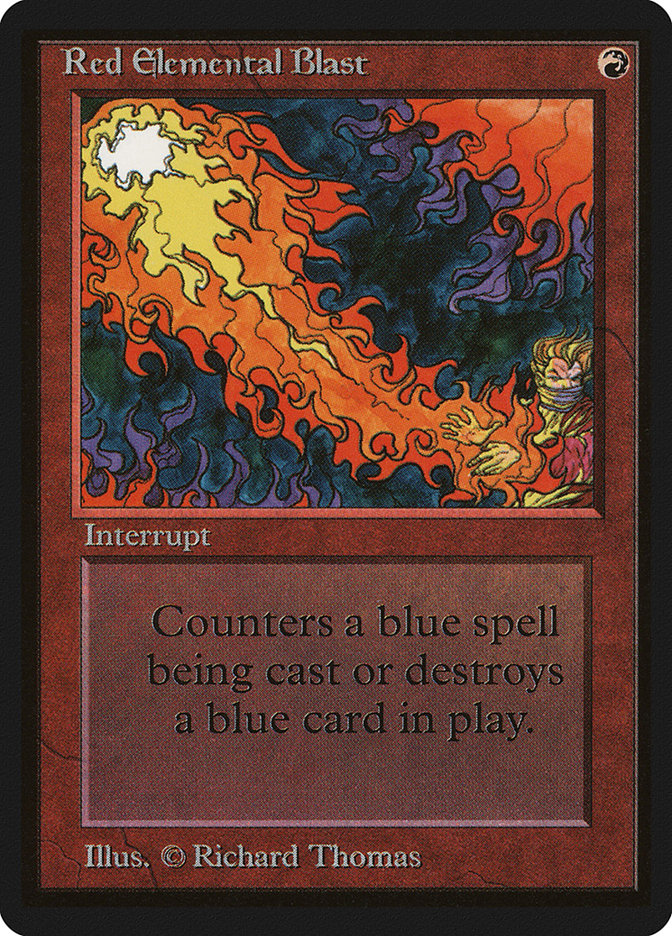
Off-world trickery meets a very direct desert answer. Blue decks want to stall, counter, and manipulate the game from a comfortable distance. Red Elemental Blast just says no—either by countering a blue spell or blowing up a blue permanent. In Dune terms, it feels like the harsh answer Arrakis gives to overly clever plans.
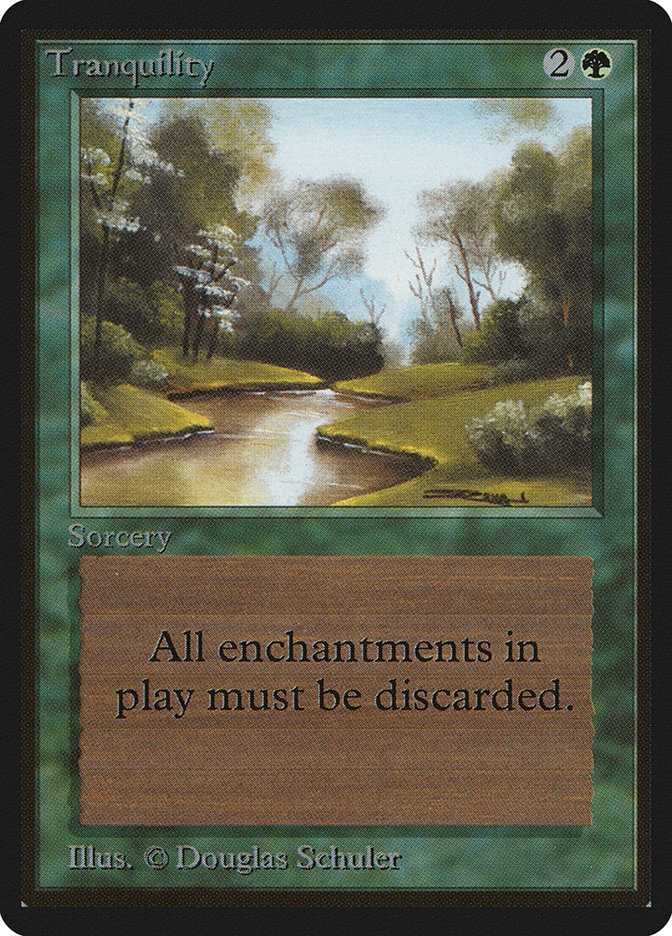
I like Tranquility here because it feels like the desert at its calmest—and in Dune, that calm is never soft. The desert is silent, vast, and almost pure in the way it strips the world down. It doesn’t argue, it doesn’t negotiate, it just takes. Given enough time, everything gets consumed. Cities, machines, plans, bodies—buried beneath the sand like they were never there at all.
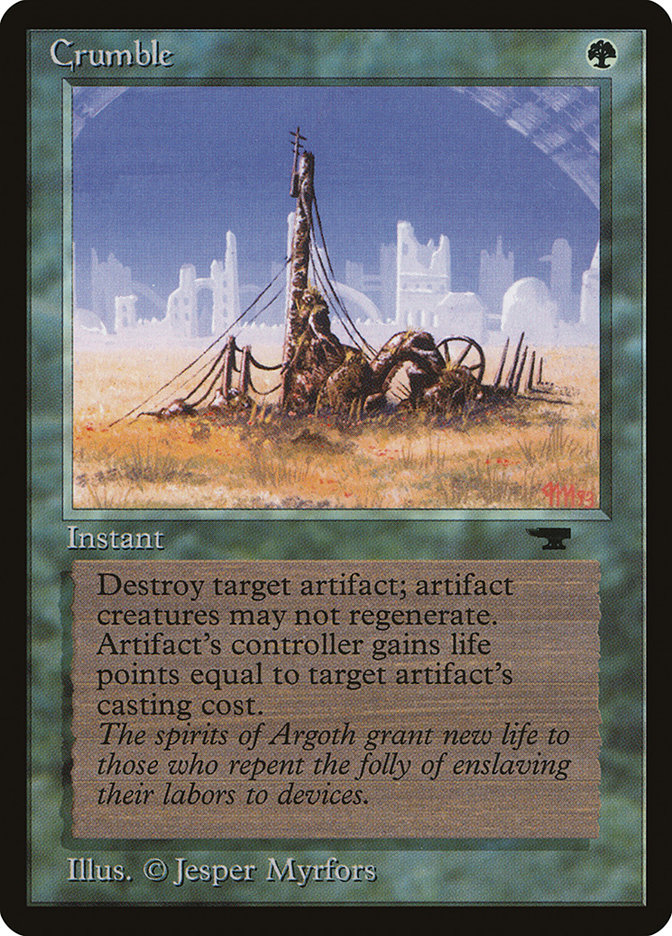
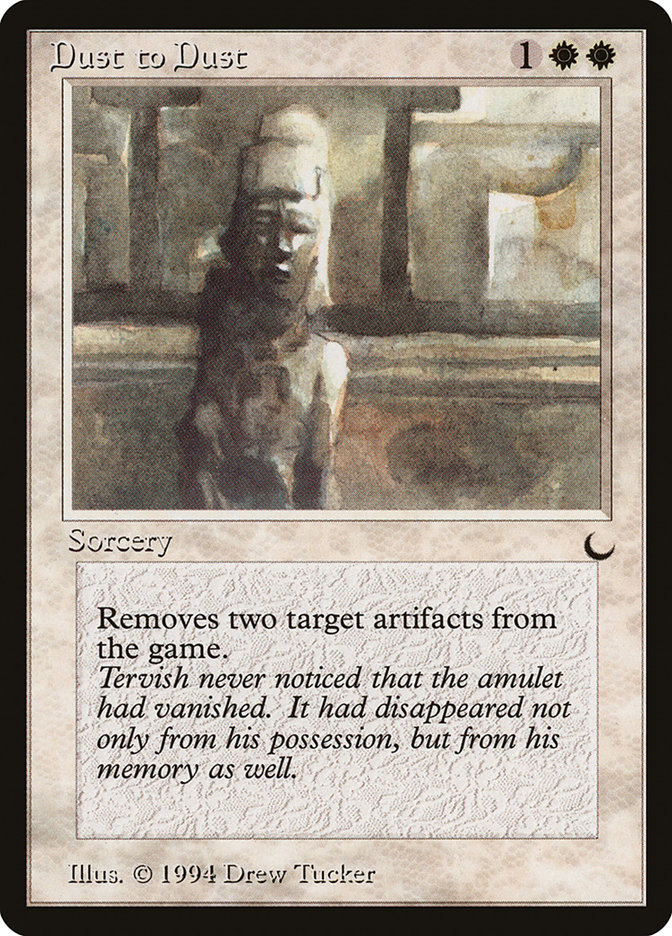
This whole package is basically Fremen sabotage. One of the coolest things in Dune is how often the Fremen win not by matching the Imperium, but by attacking the machinery. That’s what these cards are doing. Crumble is the quick strike—one green mana to destroy an artifact. Disenchant gives you flexible answers to either artifacts or enchantments. Dust to Dust is the big anti-machine play, exiling two artifacts at once if the matchup calls for it. These come in against artifact decks, mana rocks, and any board where the other side is relying too much on hardware to function.
I already love Whirling Dervish in the maindeck as a Naib Fremen leader card, so bringing in two more from the board just feels right. In the story, Naibs aren’t just fighters—they’re the survivors who keep going, keep winning, and become harder to stop the longer the struggle lasts. The card does exactly that: it has protection from black, and if it gets through, it grows. It’s great against Juzams but and get’s around The Abyss.
What I like about this sideboard is that it doesn’t feel random. It fills real gaps, gives the deck better tools for specific matchups, and still fits the overall identity of the build. It’s still the same Hazezon/Fremen deck—just a little better prepared for whatever’s waiting on the other side of the table.
THE SPICE MUST FLOW
At the end of the day, this deck is exactly what I wanted it to be: not just a pile of Dune references, but something that actually plays like the story feels. You build your resources carefully. You fight for territory. You survive the early pressure. You play a little defense, buy a little time, and then at some point the whole thing turns. Hazezon hits, the prophecy starts moving, and the board suddenly fills with Sand Warriors. That arc — from survival to momentum — is what makes this feel like Dune to me.
Is it the most streamlined Hazezon list you could build? Of course not. That was never really the point. The point was to make something with real flavor, real identity, and enough actual play to make it worth sleeving up. And I think this version gets there. The Fremen package feels right. The supporting cast feels right. Even the mana base, with all its rough edges, feels right. It plays like a deck that has to earn its position before it can take over the game.
And honestly, that’s probably why I like it so much. Old School is at its best when a deck tells a story, not just when it goldfishes the cleanest line. This one tells a story I’ve loved since I was a kid. It starts in the desert, it survives by discipline, and if you let it go long enough, it becomes a movement. If that isn’t Dune, I don’t know what is.
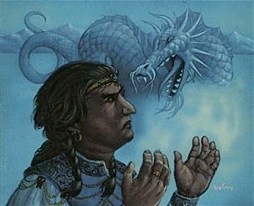


 The Edge-Man
Leave a comment